Summary
American heritage today is more than historical monuments or founding documents. It is a living combination of shared history, cultural traditions, civic values, and community participation. From local food traditions to public holidays and democratic institutions, American heritage evolves through everyday life, diverse cultures, and collective memory while continuing to shape identity, belonging, and national dialogue.
Understanding American Heritage in the Modern Era
When people hear the phrase American heritage, they often think of famous landmarks, historical events, or the country’s founding era. While those elements remain important, heritage in the United States today is far broader and more dynamic. It reflects not only the past but also the traditions, stories, and values people actively carry forward.
In modern America, heritage is both historical and lived. It includes cultural practices, community traditions, civic participation, and the ways different generations interpret the nation’s history. Families passing down recipes, communities celebrating cultural festivals, and local volunteers preserving historic buildings are all participating in American heritage.
Unlike static history, heritage is something communities continually shape. As demographics change and cultural influences expand, the meaning of American heritage evolves while still rooted in the nation’s foundational principles of democracy, freedom, and civic responsibility.
The Historical Foundations That Still Shape Identity
American heritage begins with historical milestones that continue to influence national identity. Events from the colonial period through the civil rights era created the legal, political, and cultural framework Americans still engage with today.
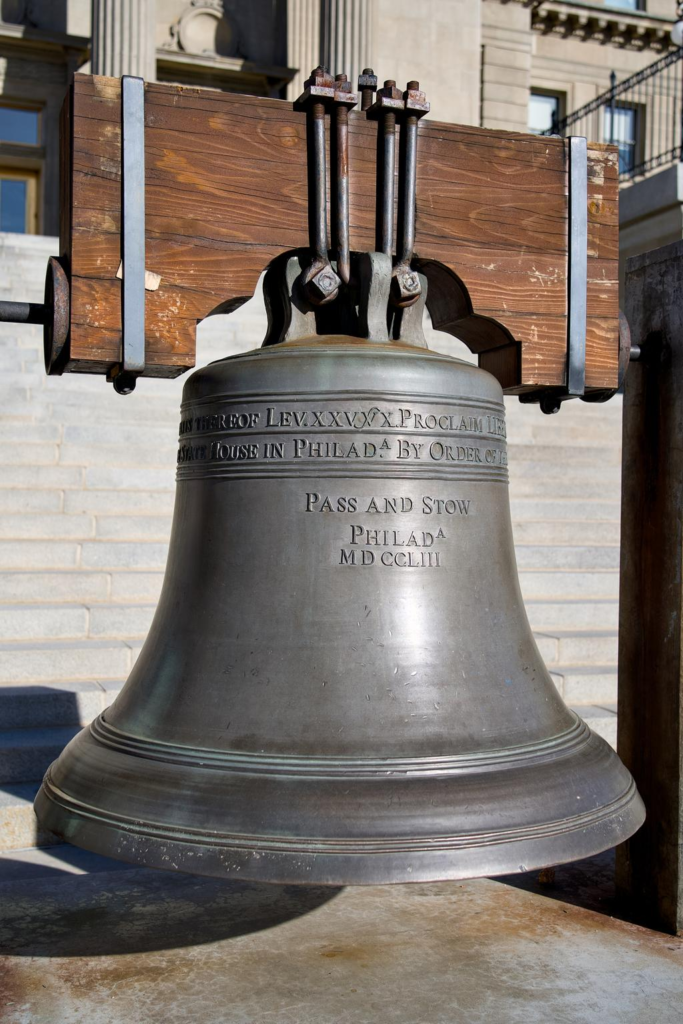
Documents such as the Constitution and the Bill of Rights remain central to the country’s civic identity. They establish principles like free speech, religious freedom, and the rule of law. These ideas influence everything from public policy debates to everyday discussions about rights and responsibilities.
Historical memory is also preserved through:
- National monuments and historic sites
- Museums and archives
- School curricula and academic research
- Family storytelling across generations
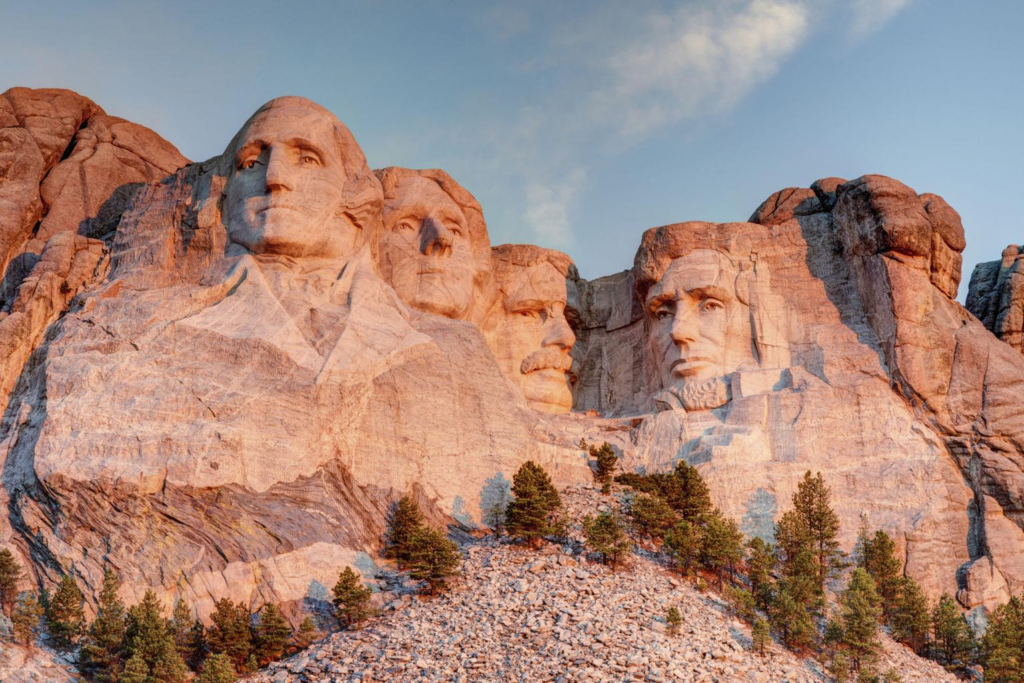
According to the National Park Service, the United States has over 420 national park units, many dedicated to preserving historical events, landscapes, and cultural heritage. These sites attract millions of visitors annually and serve as public spaces where Americans connect with shared history.
However, the interpretation of history continues to evolve. Public conversations about historical representation, inclusive storytelling, and the recognition of previously overlooked communities have become central to how Americans understand their heritage today.
Cultural Diversity: A Core Feature of American Heritage
One defining characteristic of American heritage is cultural diversity. The United States has long been shaped by immigration and cultural exchange, resulting in a rich blend of traditions, languages, foods, and artistic expressions.
Rather than a single cultural narrative, American heritage is built from many influences that coexist and interact.
Examples include:
- Indigenous traditions and knowledge systems
- African American cultural contributions in music, literature, and social movements
- Immigrant influences on cuisine, entrepreneurship, and neighborhood culture
- Regional traditions in states and cities across the country
Food offers a clear example of this blending of heritage. Dishes like barbecue, Tex-Mex cuisine, New York pizza, and Louisiana gumbo all reflect the mixing of cultural traditions over generations.
Festivals and holidays also highlight the country’s diversity. Events celebrating heritage months, cultural festivals, and community parades allow different groups to share traditions while strengthening community identity.
This multicultural foundation has become one of the defining elements of American heritage in the twenty-first century.
Community Traditions and Local Identity
While national history receives significant attention, many Americans experience heritage most directly through local traditions.
Small towns, neighborhoods, and cities maintain their own customs that contribute to the broader national story. These traditions can include annual festivals, historic preservation efforts, and community rituals that connect residents to a shared past.
Common examples include:
- County fairs and regional food festivals
- Local historical societies preserving archives
- High school sports traditions
- Community volunteer programs
- Seasonal celebrations such as Fourth of July parades
These activities may appear simple, but they play an important role in cultural continuity. They create opportunities for younger generations to engage with local history while strengthening social ties.
Research from civic engagement organizations consistently shows that communities with strong local traditions often have higher participation in volunteering, public events, and civic life.
In this way, heritage becomes something people experience together, not just something they study in textbooks.
The Role of Education and Public Institutions
Educational institutions play a major role in shaping how Americans understand heritage. Schools, universities, libraries, and museums help interpret historical events and present them to the public in accessible ways.
History education often includes:
- The founding of the United States
- Major political and social movements
- Immigration history
- Civil rights struggles
- Regional and local historical developments
Museums and cultural institutions also provide space for deeper exploration of American heritage. Many exhibitions now include multiple perspectives, helping visitors understand how different communities experienced the same historical events.
Public libraries, meanwhile, often serve as guardians of local heritage by preserving:
- Newspapers and historical records
- Oral histories from longtime residents
- Genealogy resources
- Community archives
These institutions help ensure that heritage remains accessible to the public rather than confined to academic scholarship.
American Values as Living Heritage
Another important dimension of American heritage involves civic values and democratic participation.
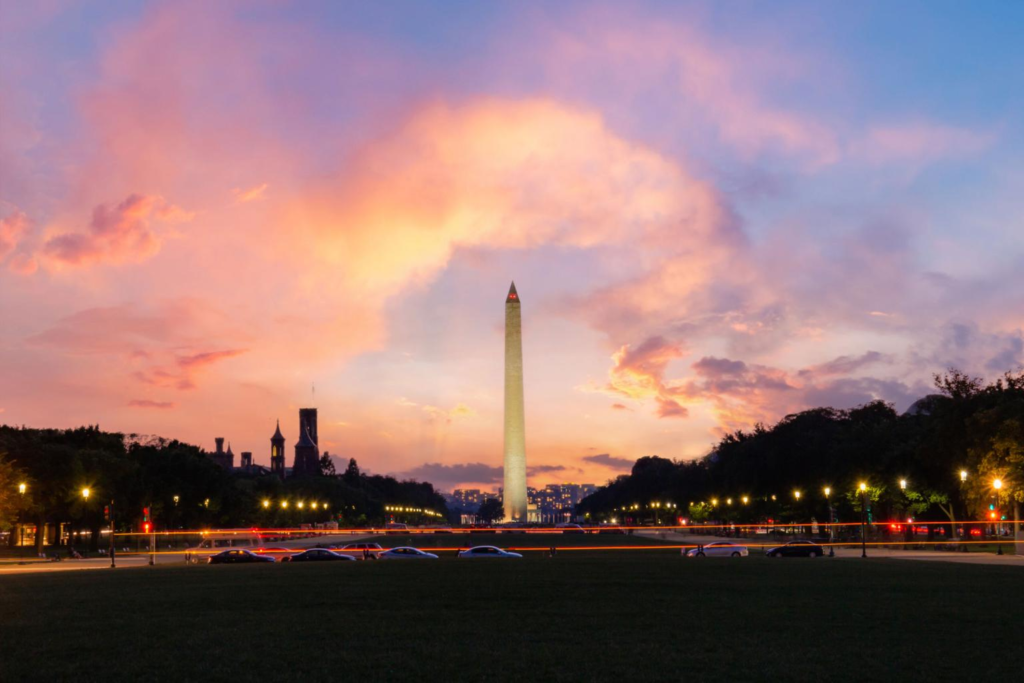
Ideas such as freedom of speech, representative government, and community service are not only historical principles—they are practices Americans continue to engage with today.
Voting, volunteering, and participating in local government meetings all represent ways citizens contribute to the ongoing story of American democracy.
Many communities actively promote civic engagement through initiatives such as:
- Local volunteer networks
- Community improvement programs
- Public forums and town halls
- Youth civic education programs
These activities reinforce the idea that heritage includes shared responsibilities, not just shared history.
Digital Media and the Preservation of Heritage
Technology has also changed how Americans interact with heritage. Digital archives, online museums, and virtual tours allow people to explore historical resources without geographic barriers.
Organizations now digitize historical materials such as photographs, documents, and audio recordings. This makes it easier for researchers, students, and families to access information that was once limited to physical archives.
Social media platforms also allow communities to share heritage stories in new ways. Local history pages, genealogy groups, and cultural organizations frequently use digital platforms to document traditions and highlight historical narratives.
While technology cannot replace physical sites or community traditions, it has become a powerful tool for preserving and sharing heritage across generations.
Challenges in Defining American Heritage Today
As the United States becomes more diverse and interconnected, defining national heritage can be complex. Different communities often interpret history in different ways based on their experiences.
Some ongoing challenges include:
- Debates over historical monuments and public memory
- Representation of marginalized communities in historical narratives
- Balancing national identity with regional diversity
- Ensuring historical education reflects multiple perspectives
These discussions are part of the ongoing process of understanding heritage. Rather than weakening national identity, many historians argue that expanding historical narratives can strengthen collective understanding.
By acknowledging complexity, Americans gain a more complete picture of the past and how it influences the present.
Why American Heritage Still Matters
Despite debates and evolving perspectives, heritage remains important for several reasons.
First, it provides context for national identity. Understanding the country’s history helps people better interpret modern social and political issues.
Second, heritage strengthens community connections. Shared traditions and local stories create a sense of belonging that supports civic engagement.
Third, heritage supports cultural preservation. Traditions, languages, and historical knowledge can be maintained when communities actively document and celebrate them.
Finally, heritage encourages intergenerational dialogue. Families and communities pass down stories that help younger generations understand where they come from and how society has changed over time.
In many ways, American heritage is best understood not as a fixed definition but as an ongoing conversation about the nation’s past, present, and future.
Frequently Asked Questions
What is American heritage?
American heritage refers to the shared historical events, cultural traditions, civic values, and community practices that shape national identity in the United States.
Why is American heritage important?
It helps people understand national history, strengthen community identity, and preserve cultural traditions for future generations.
How has immigration influenced American heritage?
Immigration has introduced diverse cultural traditions, cuisines, languages, and artistic expressions that have become part of the broader American cultural landscape.
What role do national parks play in preserving heritage?
National parks protect historic sites, landscapes, and cultural landmarks that represent important moments in American history.
How do local traditions contribute to American heritage?
Local festivals, historical societies, and community events help preserve regional history and strengthen community identity.
Is American heritage still evolving today?
Yes. Heritage evolves as new generations interpret history, cultural influences change, and communities continue to share their traditions.
What institutions preserve American heritage?
Museums, libraries, archives, universities, and government agencies all play roles in documenting and protecting historical resources.
How does technology help preserve heritage?
Digital archives, online exhibits, and virtual tours allow historical materials to be shared with wider audiences and preserved for future generations.
What challenges affect how American heritage is defined?
Debates about historical representation, monument preservation, and inclusive storytelling influence how heritage is interpreted.
How can individuals participate in preserving heritage?
People can volunteer with historical organizations, document family history, attend community events, and support cultural preservation efforts.
The Ongoing Story of American Heritage
American heritage is not limited to historic events or famous figures. It lives in everyday experiences—community gatherings, cultural celebrations, civic participation, and the preservation of shared memories.
As the country continues to evolve, so does its heritage. Each generation adds new perspectives while engaging with the lessons and traditions of the past.
Understanding this ongoing story helps Americans appreciate both the diversity and the shared values that shape the nation today.
Key Points at a Glance
- American heritage combines history, culture, community traditions, and civic values
- National landmarks and historical documents remain central to identity
- Cultural diversity and immigration have significantly shaped heritage
- Local traditions and community events help preserve regional history
- Schools, museums, and libraries play essential roles in education and preservation
- Digital technology is expanding access to historical resources
- Civic participation remains an important expression of heritage
- Discussions about representation and historical memory continue to evolve