Summary
American heritage is not a fixed idea—it has continually evolved from the founding principles of liberty, self-government, and civic responsibility. Over time, immigration, social movements, technological change, and cultural exchange have reshaped how Americans understand their shared identity. Exploring this evolution helps explain how the nation’s historical ideals still influence modern culture, institutions, and everyday life.
Understanding American Heritage: More Than a Historical Record
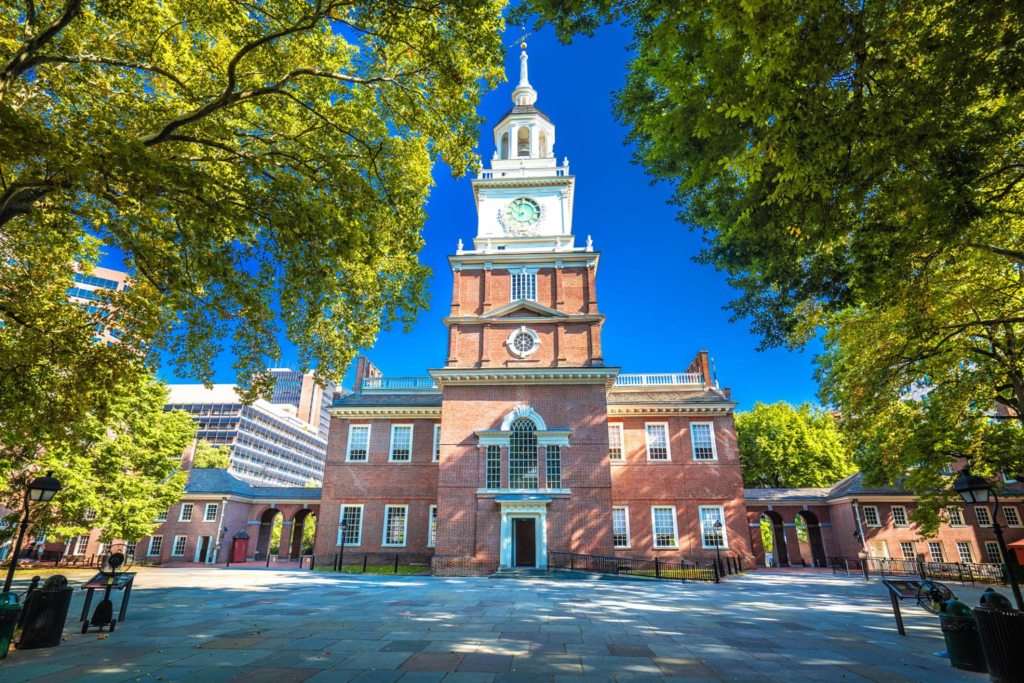
American heritage often evokes images of the Declaration of Independence, historic landmarks, and the traditions passed down through generations. Yet heritage is more than preserved history. It represents a living cultural framework shaped by the values, experiences, and contributions of diverse communities.
At its core, American heritage reflects a set of foundational ideas: freedom, democratic participation, individual opportunity, and civic responsibility. These principles guided the nation’s founding in the late 18th century, but they were never static. Instead, they have been debated, expanded, and reinterpreted throughout American history.
Today, heritage is visible not only in monuments or museums but also in everyday life—community traditions, regional cultures, and the evolving understanding of national identity.
According to the Smithsonian Institution, American heritage encompasses both tangible cultural artifacts and intangible traditions such as language, music, storytelling, and civic rituals. This broad definition helps explain why heritage continues to adapt alongside social and cultural change.
The Founding Ideals That Shaped the Nation
The early identity of the United States emerged from political philosophy and revolutionary action. The founders drew heavily from Enlightenment thinkers like John Locke and Montesquieu, emphasizing natural rights, limited government, and representative democracy.
The Declaration of Independence (1776) articulated these principles clearly, asserting that all individuals possess certain unalienable rights, including life, liberty, and the pursuit of happiness.
However, the reality of early American society did not fully reflect these ideals. Enslavement, restricted voting rights, and unequal legal protections meant that many groups were excluded from the founding promise. Over time, social movements and legislative reforms pushed the nation closer to those original principles.
Several milestones illustrate this ongoing expansion of American ideals:
- The Civil War and Reconstruction Amendments abolishing slavery and establishing equal protection
- The women’s suffrage movement, culminating in the 19th Amendment in 1920
- The Civil Rights Movement, leading to the Civil Rights Act of 1964 and Voting Rights Act of 1965
- Expanding immigration and citizenship reforms throughout the 20th century
Each of these developments reshaped the meaning of American heritage by redefining who could fully participate in civic life.
Immigration and the Expanding Definition of American Identity
One of the most powerful forces shaping American heritage has been immigration. From the earliest colonial settlements to modern global migration, newcomers have continuously influenced the country’s culture, economy, and identity.
The United States Census Bureau estimates that more than 44 million immigrants currently live in the United States, representing about 13–14% of the population. These communities contribute languages, traditions, cuisines, and cultural perspectives that enrich American society.
Historically, waves of immigration have introduced new cultural influences:
- Irish and German immigrants in the 19th century shaped urban communities and labor movements
- Italian, Jewish, and Eastern European immigrants transformed American cities in the early 20th century
- Latin American and Asian immigration since the 1960s has reshaped cultural and demographic patterns
These contributions have gradually broadened what it means to be “American.” Traditions once considered foreign—from pizza to jazz to regional festivals—have become widely recognized elements of American culture.
Rather than replacing earlier traditions, immigrant communities have layered new influences onto the existing cultural landscape.
Cultural Heritage in Everyday American Life
Many aspects of American heritage are experienced not through textbooks but through daily life. Cultural practices often serve as living reminders of historical traditions.
Examples include:
- Community celebrations such as Independence Day parades and local heritage festivals
- Regional cuisines that reflect immigrant and indigenous influences
- Music traditions ranging from blues and jazz to country and hip-hop
- Civic rituals such as voting, jury duty, and public commemorations
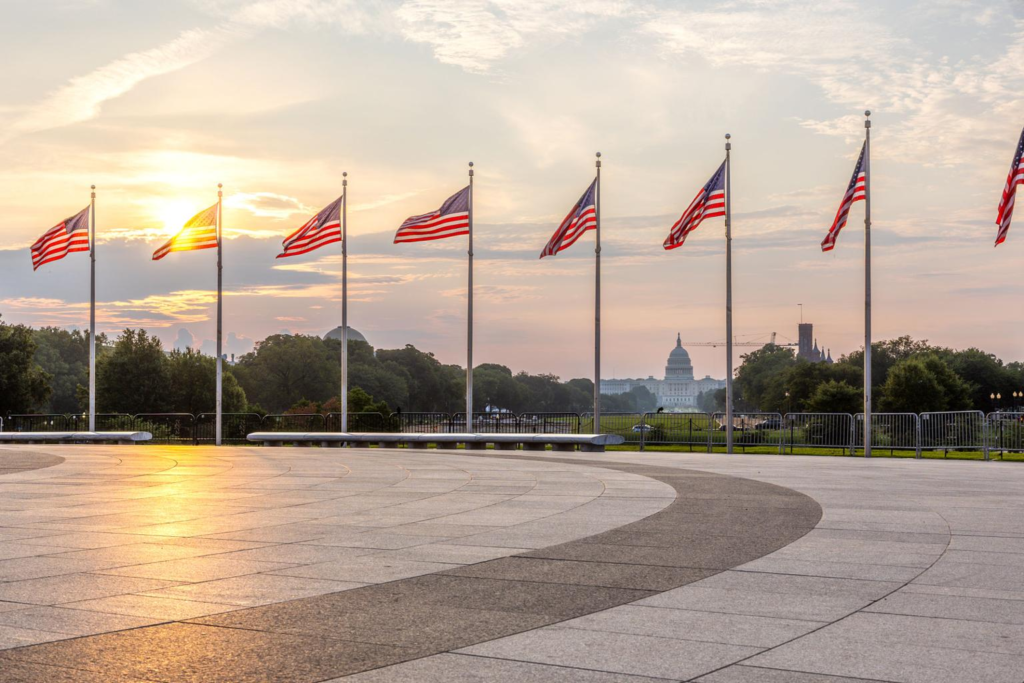
Even everyday symbols—like the American flag or the Pledge of Allegiance—carry historical meaning rooted in shared civic identity.
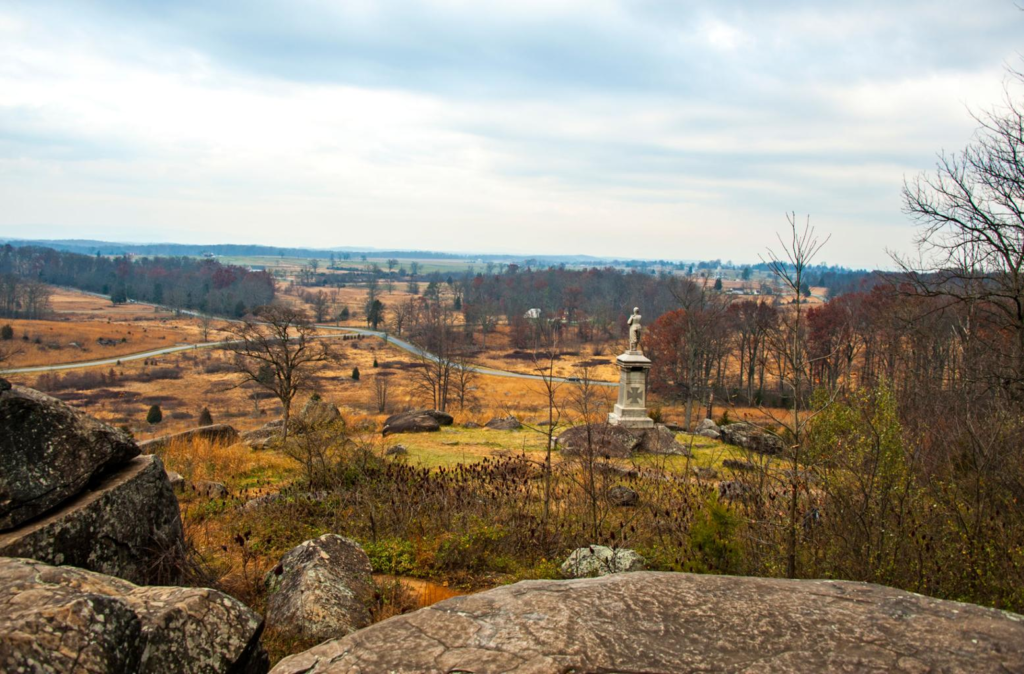
The National Park Service oversees more than 420 historic sites and cultural landmarks, ranging from battlefields to civil rights landmarks. These locations help preserve important chapters of the nation’s story while educating new generations about the past.
The Role of Education in Preserving Heritage
Education plays a central role in how Americans understand their heritage. Schools, universities, museums, and public history initiatives help interpret historical events and connect them to contemporary issues.
Modern historical education increasingly emphasizes multiple perspectives. Rather than presenting a single narrative, educators now highlight diverse experiences including those of Indigenous communities, African Americans, immigrants, and women.
This broader approach helps create a more accurate and inclusive understanding of national history.
Examples of educational initiatives include:
- The Smithsonian National Museum of African American History and Culture, opened in 2016
- Expanded Native American history programs in many state education standards
- Community heritage projects documenting local histories and oral traditions
These efforts help ensure that heritage reflects the experiences of the full American population rather than a limited historical narrative.
Technology and the Digital Preservation of Heritage
Technology has transformed how historical information is preserved and shared. Digital archives, virtual museums, and interactive historical platforms now allow people to explore American history in ways that were impossible a generation ago.
Institutions such as the Library of Congress have digitized millions of historical documents, photographs, and recordings. This digital accessibility allows researchers, educators, and the general public to engage directly with primary historical sources.
Technology has also helped communities document their own stories. Oral history projects, digital storytelling platforms, and online archives enable individuals to preserve local traditions and personal experiences.
In many ways, technology has democratized the preservation of heritage. Instead of relying solely on institutions, communities themselves can now contribute to the national historical record.
Debates About Heritage and Historical Memory
American heritage is not without controversy. Public debates often arise about how history should be remembered, interpreted, or commemorated.
Questions frequently arise around:
- Historical monuments and their symbolism
- School curriculum and historical interpretation
- The preservation or removal of certain historical markers
- The balance between honoring history and acknowledging past injustices
These discussions reflect an important reality: heritage evolves because societies continually reassess their past.
Scholars often describe this process as historical memory, the way communities collectively remember and interpret historical events. As new research emerges and cultural values shift, interpretations of heritage can change.
While debates about heritage can be contentious, they also demonstrate the ongoing civic engagement that defines democratic societies.
American Heritage in the 21st Century
In today’s interconnected world, American heritage continues to develop in response to new cultural, social, and technological forces.
Several modern trends are shaping the future of national identity:
- Increasing cultural diversity across U.S. communities
- Greater recognition of Indigenous and marginalized histories
- Growing interest in genealogy and family history research
- Expanded public access to digital archives and historical records
Additionally, younger generations often engage with heritage in new ways. Social media, documentaries, podcasts, and interactive storytelling have become important tools for historical education.
Rather than replacing traditional institutions like museums and archives, these platforms complement them by reaching wider audiences.
Ultimately, American heritage remains a dynamic cultural process rather than a fixed historical narrative.
Frequently Asked Questions
What is meant by American heritage?
American heritage refers to the traditions, values, historical experiences, and cultural contributions that shape the national identity of the United States.
Why do founding ideals still matter today?
Founding ideals such as liberty, equality, and democratic governance continue to influence laws, institutions, and civic culture in modern America.
How has immigration influenced American heritage?
Immigration has expanded American culture through new traditions, languages, cuisines, and perspectives, helping shape the nation’s evolving identity.
What role do museums play in preserving heritage?
Museums collect artifacts, interpret historical events, and educate the public about cultural and historical developments.
How is technology changing historical preservation?
Digital archives, virtual museums, and online storytelling platforms allow broader access to historical materials and enable communities to document their own histories.
Why do debates about monuments occur?
Monuments represent historical interpretation. As societal values evolve, communities sometimes reconsider how historical figures and events should be commemorated.
How can individuals connect with American heritage?
People often explore heritage through family history research, local historical societies, community events, and national historic sites.
What institutions help preserve American heritage?
Organizations such as the Library of Congress, the National Park Service, and the Smithsonian Institution play key roles in preservation and education.
How does education shape understanding of heritage?
Schools and universities interpret historical events and provide context that helps people understand the past and its impact on modern society.
Is American heritage still evolving today?
Yes. Cultural change, new historical research, and evolving social values continue to reshape how Americans understand their national identity.
Heritage as a Living National Conversation
American heritage continues to evolve because the nation itself is constantly changing. Each generation revisits the founding ideals, reassesses historical experiences, and contributes new cultural influences.
Rather than being confined to monuments or textbooks, heritage exists in civic participation, community traditions, and the ongoing pursuit of equality and opportunity. The American story remains unfinished—and that continuing evolution is one of the defining features of the nation’s identity.
Key Insights at a Glance
- American heritage is shaped by both historical ideals and modern cultural developments
- Founding principles continue to influence American political and civic life
- Immigration has expanded and diversified national identity
- Cultural traditions are preserved through education, institutions, and community practices
- Technology has made historical records more accessible than ever
- Debates about historical memory reflect the evolving understanding of the past
- Modern generations are redefining heritage through digital storytelling and public engagement