Iconic U.S. landmarks play a central role in preserving national identity by connecting Americans to shared history, values, and cultural memory. From monuments and memorials to historic sites, these places provide continuity in a rapidly changing society. This article explores how landmarks shape identity, support education, and remain relevant across generations.
Why National Identity Needs Physical Anchors
In a country as diverse and dynamic as the United States, national identity is not defined by a single narrative. Instead, it is shaped through shared symbols, collective experiences, and public memory. Iconic landmarks provide physical spaces where these elements converge.
According to the National Park Service, hundreds of millions of annual visits to national parks and historic sites highlight their enduring importance. These landmarks are not just destinations—they are touchpoints where Americans engage with their past and reflect on their present.
In practical terms, landmarks help translate abstract ideas like freedom, democracy, and resilience into tangible experiences.
Landmarks as Symbols of Shared Values
Many of America’s most recognized landmarks embody core national values, making them essential to the preservation of identity.
The Statue of Liberty stands as a symbol of freedom and opportunity. Over time, it has become closely associated with immigration and the idea of welcoming newcomers.
Similarly, the Lincoln Memorial represents unity and equality. Its inscriptions and design reinforce themes that continue to shape national conversations.
These landmarks provide a consistent visual language that helps Americans connect with shared ideals, even as interpretations evolve.
Preserving Collective Memory Through Place
National identity is closely tied to collective memory—the shared understanding of historical events and experiences. Landmarks serve as physical repositories of that memory.
The 9/11 Memorial & Museum offers a space for remembrance and reflection. It preserves the memory of a defining moment in modern history while also educating visitors about its broader impact.
Likewise, the Gettysburg National Military Park provides insight into the Civil War and its lasting significance. Walking the battlefield allows visitors to connect with history in a direct and meaningful way.
These sites ensure that important events remain part of the national consciousness.
Landmarks as Spaces for Civic Engagement
Iconic landmarks often serve as gathering places for civic activity, reinforcing their role in shaping national identity.
The National Mall is one of the most prominent examples. It has hosted major events, including presidential inaugurations and large-scale demonstrations.
These gatherings connect historical ideals with contemporary issues, allowing individuals to engage with national identity in real time. Landmarks become active participants in public discourse rather than static symbols.
Education and the Transmission of Identity
Landmarks play a critical role in education by providing experiential learning opportunities that go beyond textbooks.
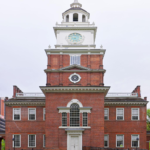
Visiting the Independence Hall allows individuals to explore the setting where foundational documents were debated and signed. This direct connection to history helps reinforce understanding of democratic principles.
Educational programs at landmarks often include:
- Guided tours led by trained interpreters
- Interactive exhibits and multimedia presentations
- Curriculum-based resources for students and educators
- Public lectures and community events
These initiatives ensure that national identity is not only preserved but actively taught and understood.
Adapting Identity Through Inclusive Narratives
As American society evolves, so too does the interpretation of its landmarks. Modern preservation efforts increasingly emphasize inclusive storytelling.
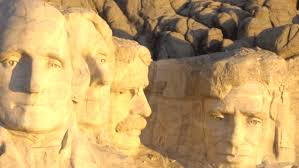
The Mount Rushmore National Memorial, for example, now includes discussions about Indigenous history and land rights. This broader perspective reflects a more comprehensive understanding of the nation’s past.
By incorporating diverse viewpoints, landmarks help create a more inclusive national identity—one that acknowledges complexity rather than oversimplifying it.
Economic and Community Contributions
Landmarks contribute to national identity not only culturally but also economically. They support tourism, create jobs, and strengthen local communities.
The Golden Gate Bridge is both an engineering achievement and a defining feature of San Francisco’s identity. Its presence supports tourism while reinforcing the city’s global image.
Economic contributions include:
- Revenue generation through tourism
- Job creation in hospitality and related sectors
- Investment in infrastructure and public services
- Promotion of local culture and heritage
These factors help sustain both the landmarks themselves and the communities around them.
Stability and Continuity in Times of Change
In periods of rapid social and technological change, landmarks provide a sense of stability. Their enduring presence offers continuity, helping individuals maintain a connection to shared history.
Even as cities modernize and digital experiences expand, physical landmarks remain constant. They serve as reference points that anchor identity in a tangible way.
This stability is particularly important during times of uncertainty, when people often seek connection to familiar symbols and shared narratives.
How Individuals Engage with National Identity Through Landmarks
For many Americans, engagement with national identity happens through personal experiences at landmarks.
Visitors often:
- Reflect on historical events and their relevance today
- Participate in guided tours or educational programs
- Attend public events or commemorations
- Share experiences through media and storytelling
These interactions help reinforce the role of landmarks as active contributors to national identity.
Frequently Asked Questions
1. How do landmarks preserve national identity?
They provide physical spaces where shared history, values, and memory are maintained and experienced.
2. Why are landmarks important in modern society?
They offer continuity and help individuals connect with a shared cultural narrative.
3. Do landmarks influence public opinion?
Yes. They often serve as settings for discussions and events that shape public discourse.
4. How are landmarks used in education?
Through tours, exhibits, and programs that provide experiential learning.
5. Can landmarks reflect changing values?
Yes. Interpretations evolve to include new perspectives and historical insights.
6. What role do landmarks play in tourism?
They attract visitors and support local and national economies.
7. Why do people feel connected to landmarks?
They represent shared experiences and important historical events.
8. Are landmarks relevant to younger generations?
Yes. Updated programs and digital tools make them accessible and engaging.
9. How are landmarks preserved?
Through maintenance, restoration, and conservation efforts.
10. Can landmarks shape future identity?
Yes. They influence how history is understood and remembered.
The Enduring Connection Between Place and Identity
Iconic landmarks remain central to preserving America’s national identity because they connect people to shared history in a tangible way. They translate complex ideas into physical experiences, making identity something that can be seen, visited, and understood.
As society continues to evolve, these landmarks adapt while maintaining their core significance. Their ability to balance continuity with change ensures that they remain meaningful across generations.
What These Landmarks Continue to Represent
- A shared foundation of historical experience
- Core values expressed through physical symbols
- Opportunities for education and reflection
- Spaces for civic engagement and dialogue
- Ongoing adaptation to a changing society