Summary
Country trails remain a powerful draw for outdoor enthusiasts because they combine physical activity, natural beauty, and accessible adventure. From historic rural paths to modern multi-use trail systems, these routes offer Americans a way to disconnect from digital life while improving health and exploring landscapes. Their growing popularity reflects broader cultural shifts toward wellness, conservation, and meaningful outdoor experiences.
The Enduring Appeal of Rural Trails
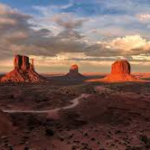
Across the United States, country trails have quietly become one of the most popular ways to experience the outdoors. Whether winding through Appalachian forests, prairie landscapes in the Midwest, or desert terrain in the Southwest, these routes attract hikers, runners, cyclists, birdwatchers, and photographers alike.
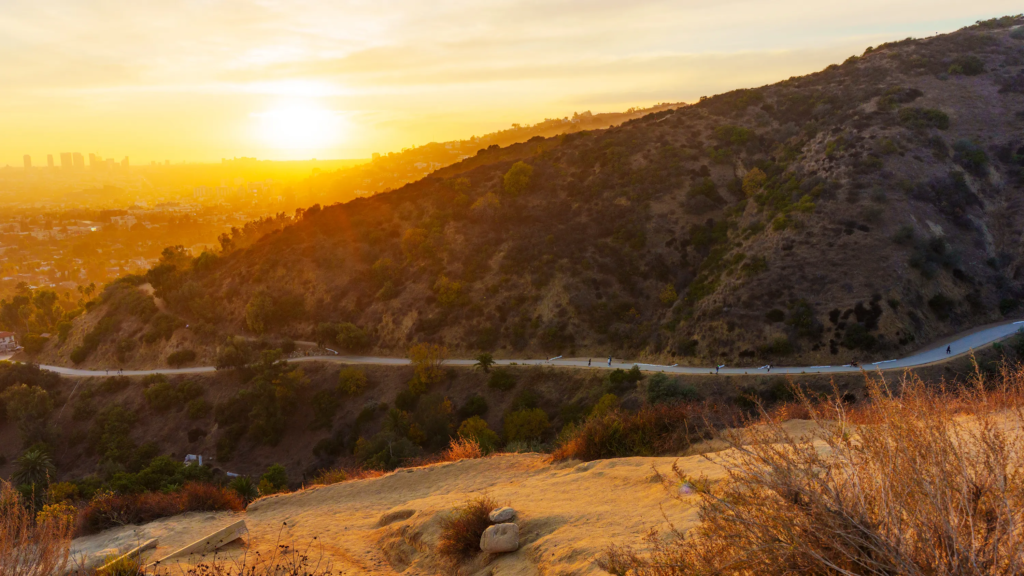
The appeal isn’t just about scenery. Country trails offer a rare combination of accessibility and immersion. Unlike remote wilderness expeditions that require extensive planning, many rural trails are reachable within a short drive of suburban or small-town communities. Yet once visitors step onto the path, they often feel far removed from urban noise and digital distractions.
Interest in outdoor recreation has surged in recent years. According to the Outdoor Industry Association, over 168 million Americans participated in outdoor recreation in 2023, representing nearly 55% of the U.S. population. Trail-based activities—particularly hiking, trail running, and mountain biking—were among the fastest-growing categories.
Country trails play a central role in that growth.
Why Country Trails Feel Different From Urban Greenways
Urban greenways and city parks serve important roles, but country trails offer a distinctly different experience.
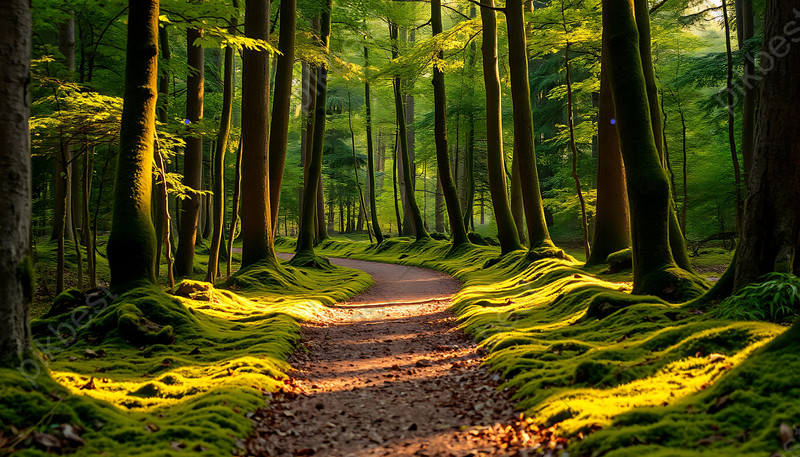
The defining characteristic is environmental immersion. Rural trails tend to pass through working landscapes—farms, forests, wetlands, or open grasslands—where the sights and sounds of nature dominate the experience.
Instead of traffic and crowds, trail users encounter:
- Rustling leaves and wildlife calls
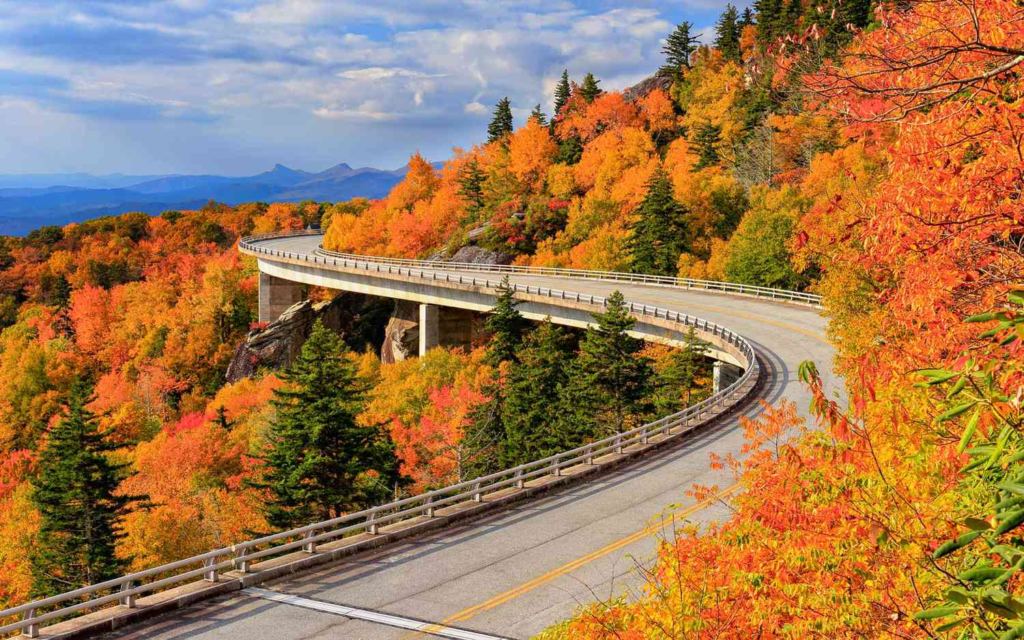
- Seasonal wildflowers and changing foliage
- Streams, ponds, and rural farmland views
- Expansive skies and open landscapes
These elements create a sense of quiet exploration that many people struggle to find in urban settings.
Psychologists studying nature exposure frequently cite the concept of “attention restoration.” Spending time in natural environments helps the brain recover from cognitive fatigue caused by constant digital stimuli and multitasking.
Country trails naturally facilitate that recovery.
Physical Health Benefits That Keep People Coming Back
Outdoor enthusiasts often discover that country trails support long-term physical health in ways that traditional gym workouts cannot.
Walking or hiking uneven terrain activates more muscle groups than walking on flat pavement. The subtle elevation changes common on rural trails help build endurance while remaining accessible to beginners.
Regular trail activity supports several well-documented health benefits:
- Improved cardiovascular fitness
- Lower blood pressure
- Increased balance and joint stability
- Reduced stress and anxiety levels
- Improved sleep quality
A Stanford University study found that people who walked in natural environments showed reduced activity in brain regions associated with rumination, a key factor in anxiety and depression.
For many Americans, country trails provide an approachable entry point into consistent outdoor exercise.
A Gateway to Local Discovery
Another reason country trails capture sustained attention is their connection to local history and geography.
Many U.S. trail systems follow historic routes:
- Former railroad corridors converted into rail-trails
- Indigenous trade paths
- Old farm roads and logging routes
- Early colonial travel corridors
These paths often reveal stories that visitors would otherwise miss.
For example, the Great Allegheny Passage in Pennsylvania and Maryland follows a historic rail corridor that once supported the region’s coal industry. Today it’s a world-class cycling trail connecting Pittsburgh to Cumberland while preserving pieces of industrial heritage along the route.
Similarly, many rural trails pass through small towns where hikers can stop for local food, historic landmarks, or community events.
The trail becomes more than a workout—it becomes a journey through place and culture.
Wildlife Encounters Add a Sense of Adventure
Unlike urban parks where wildlife sightings are limited, country trails often provide opportunities to observe animals in their natural habitats.
Depending on the region, trail users may encounter:
- White-tailed deer in forest corridors
- Hawks and eagles soaring over open fields
- Foxes and coyotes along early-morning paths
- Migratory birds in wetlands and river valleys
Birdwatching alone has exploded in popularity. The U.S. Fish and Wildlife Service estimates that over 96 million Americans engage in birding activities each year.
Country trails frequently intersect with migration routes and habitat corridors, making them ideal for wildlife observation.
These moments of surprise—spotting a deer crossing the trail or hearing owls at dusk—create memorable experiences that keep people returning.
The Social Side of Trail Culture
While many people seek solitude on country trails, these spaces also foster strong communities.
Trail systems often bring together diverse groups:
- Local hiking clubs
- Trail running groups
- Volunteer maintenance teams
- Cycling organizations
- Conservation nonprofits
Community trail events—such as guided hikes, trail races, and volunteer workdays—help build connections between people who share an appreciation for the outdoors.
This social element contributes to the long-term sustainability of trail networks. Volunteers help maintain trails, remove invasive species, repair erosion damage, and advocate for conservation funding.
In many regions, local trail organizations function as stewards of both recreation and environmental protection.
Economic Impact on Rural Communities
Country trails are not only recreational assets—they’re economic drivers.
According to the Rails-to-Trails Conservancy, trail tourism contributes billions of dollars annually to local economies through spending on lodging, restaurants, gear, and transportation.
Small towns near popular trail corridors often see increased visitor traffic.
Examples include:
- Cyclists completing multi-day rail-trail journeys
- Day hikers visiting nearby trailheads
- Families planning weekend outdoor trips
- Photographers and birdwatchers traveling during seasonal migrations
Businesses frequently adapt to support trail users. Bike repair shops, shuttle services, cafés, and outdoor outfitters often develop near trail hubs.
For many rural communities, trails represent sustainable tourism that preserves natural landscapes while generating revenue.
Technology Is Helping People Find Trails
Interestingly, the growth of country trail culture has been accelerated by digital tools.
Mobile apps and mapping platforms make it easier than ever to discover lesser-known trails.
Popular tools include:
- GPS trail navigation apps
- Satellite imagery for terrain planning
- User-generated trail reviews
- Wildlife and plant identification apps
Instead of relying solely on guidebooks, outdoor enthusiasts can now explore new trails with confidence.
Ironically, technology helps people temporarily disconnect from technology.
Environmental Awareness and Conservation
As more people spend time on country trails, many develop a deeper appreciation for environmental stewardship.
Trail systems frequently cross sensitive ecosystems such as wetlands, forests, and river corridors. Educational signage often explains local habitats, native plants, and conservation practices.
Many visitors become advocates for land protection after experiencing these landscapes firsthand.
Trail programs often emphasize Leave No Trace principles, which encourage responsible outdoor behavior:
- Pack out trash
- Stay on designated trails
- Avoid disturbing wildlife
- Respect private property boundaries
When managed properly, trail networks support both recreation and environmental preservation.
Accessibility Is Expanding the Trail Audience
Historically, some outdoor recreation opportunities required specialized equipment or wilderness experience. Country trails, however, are increasingly designed to accommodate a wide range of users.
Modern trail systems often include:
- ADA-accessible paths
- Multi-use routes for hikers and cyclists
- Educational nature trails for families
- Short loop trails suitable for beginners
- Longer backcountry segments for experienced adventurers
This diversity makes country trails appealing to people across age groups and fitness levels.
A family with young children might enjoy a one-mile nature walk, while experienced hikers can tackle longer routes within the same trail network.
How Outdoor Enthusiasts Choose the Right Trail
Choosing a country trail depends on several practical factors. Experienced hikers often consider:
- Terrain difficulty: elevation gain and surface type
- Trail length: short loops versus multi-day routes
- Seasonal conditions: mud, snow, or extreme heat
- Wildlife activity: peak viewing seasons
- Trailhead accessibility: parking and facilities
Many enthusiasts start with well-maintained regional trails before exploring more remote options.
This gradual progression helps people build skills and confidence while expanding their outdoor experiences.
Frequently Asked Questions
Why are country trails becoming more popular in the U.S.?
Increased interest in outdoor recreation, wellness, and nature-based travel has led more Americans to explore local trail systems. Improved mapping apps and trail infrastructure have also made rural trails easier to access.
Are country trails safe for beginners?
Most established trails are safe when visitors prepare appropriately. Beginners should start with short, clearly marked routes and bring water, appropriate footwear, and basic navigation tools.
What’s the best time of year to explore country trails?
Spring and fall are often ideal due to moderate temperatures and seasonal scenery. However, conditions vary by region, and many trails remain accessible year-round.
How long are typical country trails?
Trail lengths vary widely. Some rural nature trails are less than a mile long, while larger systems can extend for dozens or even hundreds of miles.
Do you need special gear for country trail hiking?
Basic gear includes comfortable hiking shoes, water, weather-appropriate clothing, and a map or GPS app. More advanced trails may require additional equipment.
Are country trails suitable for cycling?
Many trails are multi-use and accommodate cyclists. Rail-trails in particular are popular for long-distance cycling because of their gradual grades.
How do trails impact wildlife habitats?
Properly managed trails minimize environmental disruption by guiding visitors through designated paths and protecting sensitive areas.
Can families with children enjoy country trails?
Yes. Many trail networks include short educational loops designed specifically for families and beginner hikers.
How do volunteers help maintain trails?
Volunteers assist with trail clearing, erosion control, signage installation, and habitat restoration projects.
What should hikers do to protect country trails?
Following Leave No Trace principles, respecting trail closures, and supporting local conservation groups helps maintain trails for future visitors.
Why the Trail Experience Resonates So Deeply
Country trails endure because they satisfy a fundamental human need: the desire to move through natural landscapes at a human pace.
They provide exercise without monotony, solitude without isolation, and adventure without requiring extreme risk. For millions of Americans balancing busy work schedules and digital overload, stepping onto a quiet trail offers something increasingly rare—mental clarity.
Whether exploring rolling farmland paths in the Midwest or wooded mountain routes in Appalachia, country trails continue to remind people that meaningful outdoor experiences often begin with a simple walk.
Key Points at a Glance
- Country trails provide accessible outdoor recreation for millions of Americans
- Exposure to natural environments improves mental and physical health
- Rural trails often connect users with local history and landscapes
- Wildlife encounters and scenic diversity enhance the experience
- Trail tourism supports economic growth in rural communities
- Modern mapping technology makes trail discovery easier than ever
- Volunteer organizations play a critical role in trail maintenance
- Well-designed trails accommodate users of all skill levels