
Summary
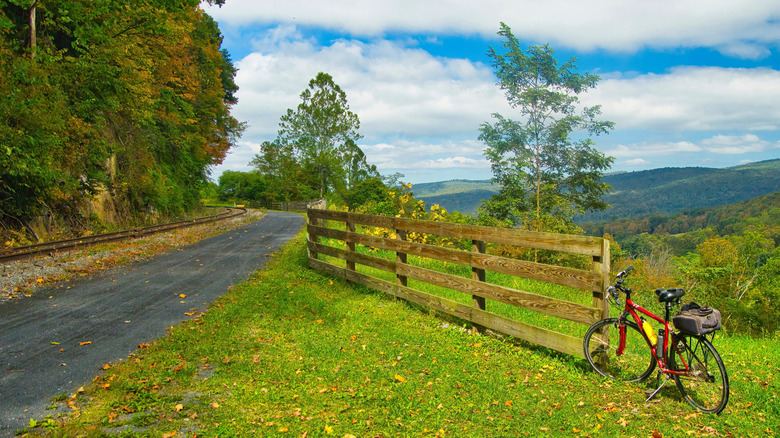
Country trails across the United States offer a quieter alternative to crowded parks and fast-paced travel. From farmland paths and rail trails to forest routes through rural landscapes, these trails allow visitors to slow down and experience nature, history, and local communities. This guide explores why country trails matter, where to find them, and how to plan a rewarding, low-stress outdoor outing.
The Growing Appeal of Country Trails
Across the United States, many outdoor enthusiasts are rediscovering the value of simple walking trails in rural settings. While iconic destinations like national parks often draw large crowds, country trails offer something different: space, quiet, and the chance to move at a slower pace.
In recent years, interest in local and regional trails has grown steadily. According to the Rails-to-Trails Conservancy, the U.S. now has more than 24,000 miles of rail-trails, with thousands more miles planned or under development. These trails often pass through farmland, small towns, wetlands, and forests—places where visitors can experience landscapes that reflect the everyday character of rural America.
Country trails are not necessarily remote or rugged. Many are accessible paths designed for walking, cycling, or birdwatching, making them suitable for a wide range of ages and abilities. What they share is a sense of calm and continuity with the land.
For travelers seeking a more reflective outdoor experience, these trails provide an opportunity to reconnect with the landscape at a natural pace.
What Defines a “Country Trail”?
The phrase country trail can mean different things depending on the region, but it typically refers to routes that pass through rural landscapes rather than urban or highly developed recreation areas.
These trails may follow:
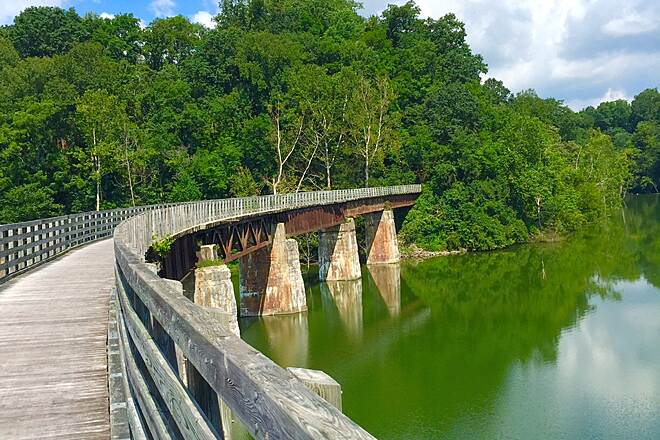
- Historic rail corridors converted into multi-use paths
- Agricultural routes connecting farmland and villages
- Forest service trails through rural public lands
- Riverbank or canal paths linking small communities
- Old wagon roads or early transportation routes
Unlike high-elevation wilderness trails, country trails often emphasize continuity and scenery rather than technical difficulty.
Visitors might pass grazing livestock, historic barns, wetlands, orchards, or quiet creeks. The experience becomes less about reaching a summit and more about observing the landscape as it gradually unfolds.
Why Slower Outdoor Experiences Are Becoming Popular
The appeal of slower outdoor travel is not simply about avoiding crowds. It also reflects broader lifestyle trends.
Research from the Outdoor Industry Association shows that Americans are increasingly choosing activities such as walking, nature observation, and casual hiking—activities that emphasize well-being and accessibility rather than intense physical challenge.
Country trails support this shift in several ways:
- Predictable terrain that allows for relaxed exploration
- Opportunities for wildlife viewing and photography
- Cultural connections to local towns and rural traditions
- Flexible distances suitable for short walks or longer excursions
For many visitors, the value lies in unstructured time outdoors—a chance to slow down, notice seasonal changes, and explore without a strict itinerary.
Notable Country Trails Across the United States
While every region has its own local routes, several trails have become well known for showcasing rural landscapes and community connections.
Katy Trail – Missouri
Stretching 240 miles across Missouri, the Katy Trail is the longest developed rail-trail in the United States. It runs alongside the Missouri River and passes through small towns, farmland, and limestone bluffs.
The trail’s gentle grade and crushed-limestone surface make it accessible to walkers and cyclists alike.
Virginia Creeper Trail – Virginia
Located in the Appalachian region, this 34-mile trail travels through farmland, forests, and historic railroad corridors between Abingdon and Whitetop.
Visitors often enjoy the mix of mountain scenery and rural communities along the route.
High Trestle Trail – Iowa
This trail illustrates how rural trails can combine recreation with design. The High Trestle Bridge, spanning the Des Moines River Valley, features architectural lighting and scenic views while connecting agricultural towns.
Island Line Trail – Vermont
Running along the shores of Lake Champlain, this trail passes orchards, farmland, and quiet villages before crossing a causeway across the lake.
These examples demonstrate how country trails reveal regional character, whether in the Midwest, Appalachia, or New England.
What You Can Experience on a Country Trail
A walk along a rural trail often includes details that might be overlooked in busier destinations.
Typical experiences include:
- Seasonal agricultural landscapes, such as cornfields, orchards, or vineyards
- Birdwatching opportunities, especially along rivers and wetlands
- Historic landmarks, including depots, bridges, and farmsteads
- Quiet wildlife encounters, such as deer, turtles, or migrating birds
- Local businesses, including small cafés, farm markets, and bike shops
Because many country trails connect small towns, visitors often discover unexpected cultural moments along the route—local festivals, roadside produce stands, or historic markers describing early settlements.
How to Plan a Relaxed Country Trail Visit
One advantage of country trails is that they rarely require complex planning. However, a few simple steps can make the experience smoother.
Choose the Right Distance
Country trails vary from short one-mile loops to multi-day routes. For a relaxed outing, many visitors prefer distances between 3 and 8 miles.
Research Local Access Points
Trailheads may be located in:
- Small town parks
- Historic train depots
- Rural parking areas
- State park entrances
Local tourism websites and trail organizations often provide maps and parking information.
Bring Basic Essentials
Even gentle trails benefit from basic preparation:
- Water and snacks
- Comfortable walking shoes
- Sun protection
- Offline trail map or GPS app
Because rural trails sometimes pass through remote areas, cell service can be limited, so preparation is helpful.
The Role of Country Trails in Rural Communities
Beyond recreation, country trails often play an important role in local economic development.
The Rails-to-Trails Conservancy estimates that popular rail-trails generate millions of dollars annually for local economies through tourism spending at restaurants, lodging, and small businesses.
Small towns along trails frequently develop services such as:
- Bike rental shops
- Local cafés and bakeries
- Bed-and-breakfast accommodations
- Farm stands and craft markets
These businesses benefit from a steady flow of trail visitors while maintaining the authentic character of rural communities.
Seasonal Highlights on Country Trails
One advantage of rural trails is that they remain appealing throughout the year.
Spring
Wildflowers, migrating birds, and emerging greenery create ideal conditions for walking and photography.
Summer
Long daylight hours allow for extended exploration, though early morning walks are often most comfortable.
Fall
In many regions, rural trails pass through forests and farmland that display vivid autumn colors.
Winter
Some trails remain open for snowshoeing or cross-country skiing, particularly in northern states.
Each season brings its own rhythm, making country trails suitable for repeat visits throughout the year.
Tips for Respectful Trail Use
Because many country trails pass through agricultural land or private property corridors, responsible behavior helps preserve access.
Visitors should remember to:
- Stay on marked paths
- Respect farm boundaries and livestock
- Pack out all trash
- Yield to cyclists and other trail users
- Support local businesses when possible
Following these guidelines helps maintain the cooperative relationships between trail organizations and rural communities.

Frequently Asked Questions
What is considered a country trail?
A country trail typically refers to a walking or cycling path located in rural landscapes such as farmland, forests, or small towns rather than urban parks.
Are country trails suitable for beginners?
Yes. Many country trails follow former rail lines or gently graded paths, making them accessible for beginners and families.
How long are most rural trails?
Trail lengths vary widely, but many popular country trails offer segments ranging from 3 to 20 miles, with longer routes available for extended trips.
Are country trails safe to explore alone?
Most are considered safe, particularly during daylight hours. As with any outdoor activity, it’s wise to share your plans and carry basic supplies.
What is the difference between a rail-trail and a country trail?
Rail-trails are a specific type of country trail created from former railroad corridors. Not all country trails are rail-trails.
Do country trails allow bicycles?
Many do, especially rail-trails. However, some paths are designated for pedestrians only, so checking local regulations is important.
When is the best time to visit rural trails?
Spring and fall are often considered ideal due to comfortable temperatures and scenic landscapes.
Are pets allowed on country trails?
Many trails allow dogs if they are kept on a leash, though rules vary by location.
How do I find country trails near me?
Resources such as state park websites, local tourism offices, and trail organizations provide maps and recommendations.
Do rural trails have facilities?
Some trailheads offer restrooms and water fountains, but more remote access points may have limited amenities.
A Slower Path Through the American Landscape
Country trails remind us that outdoor recreation does not always require dramatic scenery or strenuous challenges. Sometimes the most memorable experiences come from steady movement through familiar landscapes—fields, forests, rivers, and small towns connected by quiet paths.
By slowing down, visitors often notice details that would otherwise pass by: the sound of wind through tall grass, the rhythm of farm activity, or the changing colors of a forest edge. These moments create a deeper connection to the places that shape rural America.
For anyone seeking a calmer outdoor rhythm, country trails offer a reliable and welcoming starting point.
Key Ideas to Remember
- Country trails offer quieter alternatives to crowded outdoor destinations
- Many follow historic rail corridors and rural transportation routes
- Trails often connect farmland, forests, rivers, and small towns
- Slow outdoor activities such as walking and cycling are growing in popularity
- Responsible trail use helps protect rural landscapes and local communities