America’s iconic landmarks are more than travel destinations—they are enduring symbols of the nation’s identity, resilience, and evolution. From monuments that commemorate independence to bridges that transformed commerce, these sites reveal how history, culture, and innovation intersect. Understanding their stories offers insight into how the United States has grown, unified, and redefined itself over time.
Why Landmarks Matter More Than Ever
Across the United States, landmarks serve as visible anchors of shared history. They reflect defining moments—revolutions, expansions, cultural shifts—and continue to shape how Americans understand their past and present.
For travelers, these places provide more than a backdrop for photos. They offer context. For communities, they function as economic engines and cultural touchpoints. According to the National Park Service, millions of visitors each year engage with landmark sites, contributing billions to local economies while reinforcing historical awareness.
At a time when national identity is constantly evolving, these landmarks act as enduring reference points—reminders of where the country has been and where it might go.
What Makes a Landmark “Iconic”?
Not every historic site achieves iconic status. The distinction often comes from a combination of visibility, symbolic meaning, and long-term cultural relevance.
Several key factors define iconic landmarks in the U.S.:
- Historical significance: Connection to pivotal national events
- Cultural symbolism: Representation of shared values or ideals
- Architectural distinction: Unique design or engineering achievement
- Public recognition: Broad awareness across generations
- Enduring relevance: Continued importance in modern discourse
These qualities elevate certain locations beyond regional interest, making them central to the national narrative.
Foundations of Freedom: Landmarks of the Early Republic
The early years of the United States gave rise to landmarks that still define the country’s foundational identity.
The Statue of Liberty stands as perhaps the most recognizable symbol of freedom. Gifted by France in 1886, it greeted millions of immigrants arriving in New York Harbor. Its presence reinforced the idea of the U.S. as a land of opportunity—an identity that continues to influence immigration debates and national values.
Similarly, Independence Hall in Philadelphia represents the birthplace of American democracy. It was here that the Declaration of Independence and the Constitution were debated and adopted. The building’s modest appearance contrasts with its immense historical weight, reminding visitors that transformative ideas often emerge from simple settings.
These landmarks shaped how Americans define liberty—not as an abstract concept, but as something rooted in real places and decisions.
Expansion and Innovation: Engineering the American Landscape
As the country expanded westward and industrialized, new landmarks emerged that reflected ambition and ingenuity.
The Golden Gate Bridge, completed in 1937, transformed San Francisco’s connectivity and became a global symbol of engineering excellence. At the time of its construction, it was considered one of the most challenging bridge projects ever attempted. Today, it represents both technological progress and the boldness of American infrastructure development.
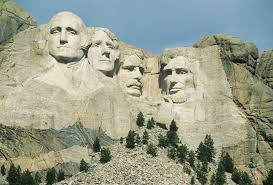
Mount Rushmore offers another perspective on national identity. Carved into South Dakota’s Black Hills, the monument features four U.S. presidents—each chosen to represent different eras of growth. While it celebrates leadership and expansion, it also invites critical conversations about land use and indigenous history.
These landmarks demonstrate how physical structures can reflect broader national ambitions—and the complexities that come with them.
Sites of Struggle and Progress
Not all landmarks celebrate triumph. Some mark difficult chapters that ultimately led to progress.
The Lincoln Memorial in Washington, D.C., honors President Abraham Lincoln and serves as a powerful symbol of unity. It also became a central stage for the Civil Rights Movement. In 1963, Martin Luther King Jr. delivered his “I Have a Dream” speech from its steps, linking the site to ongoing struggles for equality.
Likewise, the Edmund Pettus Bridge in Selma, Alabama, is associated with the 1965 voting rights marches. Images from “Bloody Sunday” shocked the nation and helped galvanize support for the Voting Rights Act.
These places remind visitors that progress often emerges from conflict. They preserve memory while encouraging reflection and dialogue.
Cultural Icons That Define American Identity
Some landmarks are less about politics and more about culture, creativity, and everyday life.
Times Square in New York City represents the pulse of modern urban America. Known for its digital billboards and constant activity, it reflects the country’s media influence and commercial energy.
The Hollywood Sign in Los Angeles symbolizes the entertainment industry’s global reach. Originally erected as a real estate advertisement, it evolved into a cultural icon representing storytelling, ambition, and the American dream.
These landmarks highlight how culture—not just history—shapes national identity.
How Landmarks Influence Modern America
Iconic landmarks continue to shape the nation in practical and measurable ways.
Economic impact:
Tourism related to landmark sites supports local economies, creating jobs in hospitality, transportation, and retail.
Educational value:
School trips, guided tours, and public programs help Americans engage with history beyond textbooks.
Civic engagement:
Landmarks often serve as gathering places for public events, protests, and celebrations.
Urban development:
Cities frequently build infrastructure and public spaces around landmark sites, influencing long-term planning.
In many cases, these locations act as both historical records and active participants in contemporary life.
Visiting Landmarks with Purpose
For travelers, visiting iconic landmarks can be more meaningful with thoughtful preparation. Instead of treating them as checklist items, consider approaching them as learning experiences.
Here are practical ways to deepen your visit:
- Research ahead of time: Understanding the historical context enhances appreciation
- Visit during off-peak hours: Early mornings or weekdays offer a more reflective experience
- Engage with guided tours: Experts often share insights not found in general materials
- Explore surrounding areas: Nearby neighborhoods often provide additional context
- Reflect on relevance: Consider how the site connects to current issues
These approaches turn a visit into an opportunity for deeper understanding rather than surface-level observation.
Frequently Asked Questions
1. What are the most visited landmarks in the United States?
Sites like the Statue of Liberty, the Lincoln Memorial, and the Golden Gate Bridge consistently rank among the most visited due to their accessibility and historical significance.
2. Why are landmarks important to national identity?
They provide tangible connections to historical events and shared values, helping people understand and relate to the nation’s story.
3. How do landmarks contribute to local economies?
Tourism generates revenue for businesses, creates jobs, and supports infrastructure development in surrounding areas.
4. Are all iconic landmarks officially designated historic sites?
No. Some are recognized through federal or state programs, while others gain iconic status through cultural recognition.
5. What role do landmarks play in education?
They offer experiential learning opportunities, allowing visitors to engage directly with history and culture.
6. How are landmarks preserved over time?
Preservation efforts involve government agencies, nonprofit organizations, and community initiatives focused on maintenance and restoration.
7. Can landmarks have controversial histories?
Yes. Many sites reflect complex histories, including issues related to colonization, inequality, or environmental impact.
8. What is the difference between a monument and a landmark?
A monument is typically built to commemorate a specific event or person, while a landmark can be any site with historical, cultural, or physical significance.
9. How can travelers avoid overcrowding at popular landmarks?
Visiting during off-peak times, booking tickets in advance, and exploring lesser-known nearby sites can improve the experience.
10. Are newer structures ever considered iconic landmarks?
Yes. Modern buildings and sites can become iconic if they achieve cultural, architectural, or symbolic significance over time.
The Enduring Imprint of Place on a Nation
America’s most iconic landmarks are not static relics—they are living parts of the national story. Each one reflects a moment when the country defined or redefined itself, whether through independence, expansion, struggle, or cultural expression.
Understanding these places offers more than historical knowledge. It provides perspective on how values evolve, how communities respond to change, and how the past continues to influence the present. In that sense, landmarks do not just preserve history—they actively shape the nation’s future.
Key Insights at a Glance
- Iconic landmarks combine history, symbolism, and public recognition
- They play a major role in tourism, education, and civic life
- Many landmarks reflect both achievement and controversy
- Visiting with context enhances understanding and appreciation
- These sites continue to influence modern identity and policy discussions