Summary
Country trails offer a distinctly different outdoor experience compared with traditional hiking routes. Often located in rural landscapes rather than national parks, they emphasize quiet scenery, local culture, and slower-paced exploration. These paths frequently connect farms, forests, small towns, and historic corridors, allowing travelers to experience landscapes, community life, and nature in ways that standard hiking trails rarely provide.
Understanding the Difference Between Country Trails and Traditional Hiking Routes
Many Americans associate outdoor exploration with classic hiking trails in national parks or well-known wilderness areas. These routes typically focus on reaching scenic overlooks, summits, or natural landmarks. Country trails, however, represent a different style of outdoor travel—one that blends nature, rural landscapes, and community spaces.
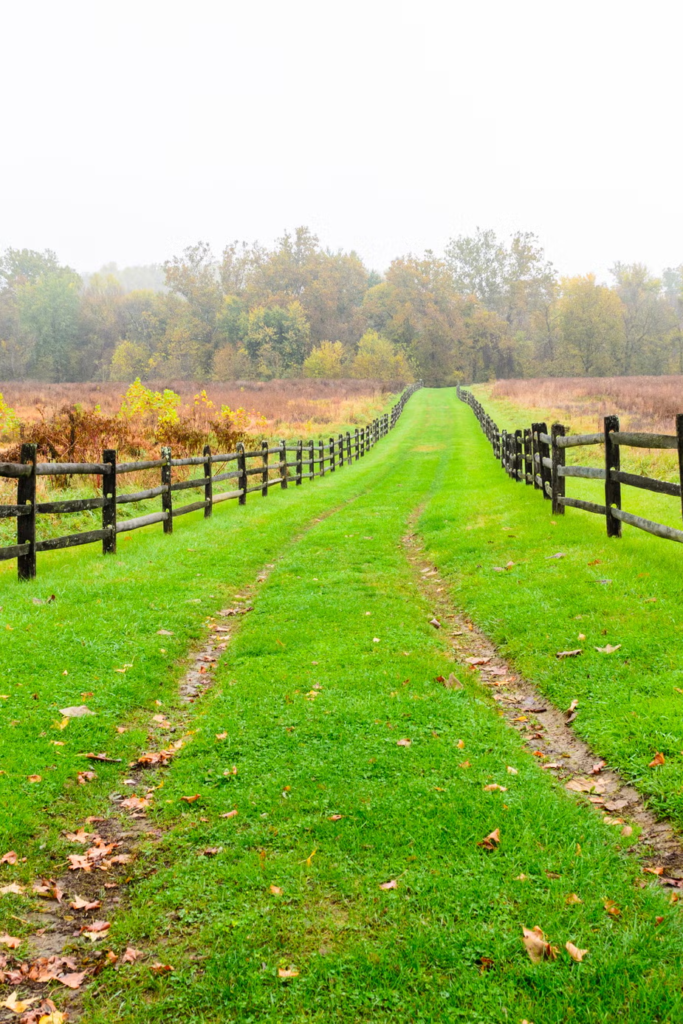
Country trails often follow historic paths, agricultural roads, rail corridors, or conservation land near small towns. Instead of focusing solely on rugged terrain or elevation gain, they prioritize accessibility, scenery, and connection to local landscapes.
This difference in purpose creates a distinct experience. A traditional hiking route may challenge hikers physically, while a country trail encourages a slower rhythm—one that allows visitors to notice farmland patterns, old barns, creek crossings, and regional ecosystems.
According to the Rails-to-Trails Conservancy, the United States now has more than 25,000 miles of multi-use trails built on former rail corridors, many of which function as country-style routes connecting rural communities and natural areas.
The Landscapes You Encounter Are Often More Diverse
Traditional hiking routes typically pass through protected wilderness or national parks. Country trails, on the other hand, often weave through a variety of working landscapes.
This diversity changes how people experience the outdoors. Instead of moving through one ecosystem for hours, hikers and walkers may encounter forests, agricultural land, wetlands, and small villages in a single outing.
Examples across the United States illustrate this variety. In Pennsylvania’s countryside, trails frequently pass through Amish farmland. In Vermont and New Hampshire, country paths wind between maple forests and historic villages. In parts of California, rural trails connect vineyards, oak woodlands, and small agricultural communities.
Country trails commonly pass through:
- Open farmland and pastureland
- Rural forests and conservation land
- Historic rail corridors converted into trails
- Riverbanks and creek-side pathways
- Small-town parks and community greenways
Because these landscapes remain active parts of rural life, visitors often see elements rarely found on backcountry hiking routes—farm equipment in fields, local wildlife adapting to agricultural land, and seasonal harvest activity.
Country Trails Emphasize Accessibility Over Difficulty
Traditional hiking routes often require preparation, navigation skills, and physical endurance. Many include steep climbs, rocky terrain, or remote sections with limited services.
Country trails are typically designed with broader accessibility in mind. They frequently feature gradual grades, wider paths, and clear wayfinding, making them suitable for a wider range of users.
This accessibility explains why many country trails support multiple types of outdoor recreation.
Common users include:
- Casual walkers
- Cyclists
- Families with children
- Birdwatchers and photographers
- Long-distance runners
- Travelers exploring local communities
Many of these trails are part of regional greenway systems or converted rail lines, meaning slopes are gentle and surfaces are maintained.
The Katy Trail in Missouri, one of the longest rail-trails in the United States at roughly 240 miles, is a good example. It follows the Missouri River through small towns, offering a mostly flat route that welcomes cyclists, walkers, and casual explorers alike.
They Connect People to Rural Communities
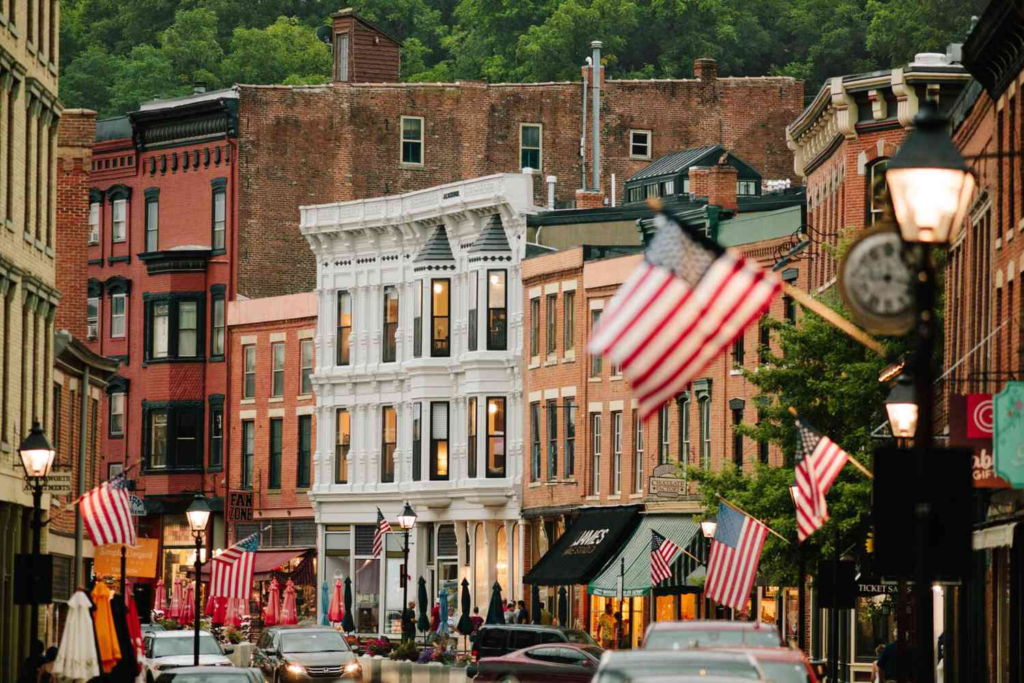
One of the most defining characteristics of country trails is their relationship with local communities. Unlike wilderness hiking routes that start and end at remote trailheads, country trails often link multiple towns, parks, and local businesses.
This creates a different kind of travel experience—one where outdoor recreation intersects with everyday rural life.
Visitors using these trails may encounter:
- Local farmers’ markets near trail crossings
- Small cafés or bakeries along the route
- Historic buildings or heritage landmarks
- Community festivals or seasonal events
For example, the Virginia Creeper Trail connects rural communities such as Damascus and Abingdon, two towns that have embraced trail-based tourism. Cyclists and walkers frequently stop for meals, lodging, and local shops along the route.
Research from the Outdoor Industry Association indicates outdoor recreation contributes over $1 trillion annually to the U.S. economy, and trail tourism plays an increasingly important role in supporting small-town economies.
Country trails make that connection visible: outdoor recreation and rural culture become part of the same experience.
The Pace of Exploration Is Different
Traditional hiking often emphasizes distance, elevation gain, and reaching a specific destination such as a summit or viewpoint.
Country trails encourage something different: unhurried exploration.
Because these routes usually lack extreme terrain, visitors tend to spend more time noticing the details of the landscape.
Examples include:
- Seasonal crop changes across farmland
- Bird migration patterns near wetlands
- Historic rail bridges or stone culverts
- Wildflowers along meadow edges
Instead of focusing on completing a difficult hike, many people treat country trails as spaces for observation and reflection. Photographers, birdwatchers, and nature enthusiasts often find these environments particularly rewarding.
In fact, the U.S. Fish and Wildlife Service reports that birdwatching alone attracts over 45 million Americans, and many country trails provide ideal habitats for observing migratory species.
Country Trails Often Have Historic Roots
Many rural trails in the United States follow historic transportation routes.
Some began as:
- Railroad corridors used in the 19th and early 20th centuries
- Canal towpaths from early American trade networks
- Agricultural roads connecting farms and markets
- Early wagon routes used before modern highways
When these routes were abandoned or repurposed, communities often transformed them into public trail systems.
One of the most well-known examples is the Great Allegheny Passage, which follows historic rail lines and canal paths across Pennsylvania and Maryland. Today it forms part of a 335-mile route linking Pittsburgh and Washington, D.C.
Walking or cycling these trails offers a unique blend of natural scenery and American industrial history.
Visitors might encounter:
- Old railway tunnels
- Historic bridges
- Interpretive signs explaining regional history
- Remnants of early industry or trade routes
This historical dimension adds a deeper narrative to the experience of moving through the landscape.
Wildlife Encounters Are Often Subtle but Frequent
Because country trails pass through mixed-use landscapes—forests, wetlands, and farmland—wildlife behavior can differ from what hikers encounter in wilderness areas.
Animals are often more accustomed to human presence, but sightings remain common.
Typical wildlife seen along rural trails may include:
- White-tailed deer
- Red foxes
- Wild turkeys
- Great blue herons
- Migratory songbirds
- Turtles and amphibians near water crossings
These encounters tend to be quieter and more observational than dramatic wilderness sightings. Birdwatchers and naturalists often appreciate the steady variety of species found along rural trail corridors.
Infrastructure and Trail Amenities Are Often More Developed
Country trails frequently include amenities not always found on traditional hiking routes.
Because they are closer to communities, trail managers often maintain facilities that make visits easier for a broader range of users.
These may include:
- Rest areas with benches
- Educational signage about local ecology
- Drinking fountains or water stations
- Bike repair stands
- Nearby parking or trailhead access points
Some routes even offer lodging or camping options within nearby towns, enabling longer multi-day trail trips without carrying extensive backcountry gear.
This infrastructure is one reason long-distance cyclists and walkers increasingly choose country trails for extended journeys.

FAQs
What exactly is a country trail?
A country trail is typically a rural path that connects natural landscapes, farmland, or small towns. Unlike wilderness hiking routes, these trails often emphasize accessibility and community connections.
Are country trails suitable for beginners?
Yes. Most country trails have gentle terrain and well-maintained surfaces, making them accessible for beginners, families, and casual walkers.
Do country trails allow bicycles?
Many country trails are multi-use and allow cycling, though rules vary depending on local management.
How are country trails different from national park hiking trails?
National park trails often focus on rugged wilderness and challenging terrain. Country trails usually emphasize scenic travel through rural landscapes with easier navigation.
Are country trails safe to walk alone?
In many areas they are considered safe, particularly near communities. However, basic precautions such as informing someone of your route and carrying water are always recommended.
Can you do long-distance trips on country trails?
Yes. Some routes extend for hundreds of miles and are designed for long-distance cycling or walking journeys.
Are pets allowed on country trails?
Many trails allow leashed dogs, though specific regulations vary by location.
When is the best season to explore country trails?
Spring and fall are popular due to comfortable temperatures and seasonal scenery, though many trails remain accessible year-round.
Do country trails require permits?
Most local and regional trails are free to use, though some parks or conservation areas may require entrance fees.
Where can I find country trails near me?
Local parks departments, state trail networks, and organizations such as Rails-to-Trails Conservancy provide searchable trail maps across the United States.
Walking the Quiet Routes of Rural America
Country trails offer a perspective on the outdoors that differs from traditional hiking experiences. Instead of emphasizing rugged challenges or remote wilderness, these routes highlight the connection between landscape, history, and community life.
For many travelers, they provide a way to explore rural America at a thoughtful pace—one where natural scenery and everyday landscapes exist side by side.
Key Insights at a Glance
- Country trails often pass through farmland, forests, and small towns
- They prioritize accessibility and gentle terrain
- Many follow historic rail or transportation routes
- They support multiple users including walkers and cyclists
- These trails contribute to local economies and community tourism
- Wildlife sightings and seasonal landscapes add variety
- Amenities and nearby towns make them easier for longer trips