Summary
Country trails across the United States reveal a quieter, more intimate way to experience landscapes people often overlook from highways and cities. From rail-to-trail conversions to historic farm routes and river pathways, these trails reconnect travelers with rural America’s scenery, culture, and wildlife while offering accessible outdoor recreation that combines physical activity, local history, and environmental appreciation.
Many Americans have driven through rural landscapes without truly experiencing them. Cornfields blur past car windows, historic towns become quick stops for gas, and quiet rivers disappear behind roadside trees. Country trails change that perspective. They slow travel down, allowing people to experience landscapes at the pace they evolved to be seen—on foot or by bike.
Across the United States, thousands of miles of country trails run through farmland, forests, river valleys, and historic rail corridors. According to the Rails-to-Trails Conservancy, the U.S. now has over 41,000 miles of rail-trail routes, with more being developed each year. These trails transform abandoned infrastructure and rural pathways into public access points for recreation and exploration.
The result is a unique form of travel: one where familiar scenery suddenly becomes immersive, textured, and personal.
Why Country Trails Change the Way You Experience Landscapes
Driving compresses distance and minimizes detail. Trails do the opposite. They stretch time and reveal small environmental features that vehicles obscure.
Walking or cycling along a country trail exposes subtle shifts in terrain, light, and sound. The smell of freshly cut hay, the hum of insects in tall grass, and the slow curve of a river valley become central elements of the experience.
Trails also remove the physical barrier between traveler and landscape. Instead of observing farmland from the road, visitors pass through working agricultural areas, forest corridors, and wetlands that support regional ecosystems.
Researchers at Pennsylvania State University’s Recreation, Park, and Tourism Management program have noted that slower outdoor travel increases environmental awareness and local economic engagement—two outcomes frequently associated with rural trail systems.
In practical terms, that means:
- Visitors stop more often in small towns
- Local cafés, outfitters, and farm stands benefit
- Travelers gain deeper appreciation of regional landscapes
The trail becomes both a recreational asset and a community connector.
Types of Country Trails Across the United States
Not all country trails are the same. Their origins shape the kind of landscape experience they offer.
Rail-to-Trail Conversions
These trails follow former railroad corridors. Because trains required gradual slopes, the paths tend to be accessible for people of many fitness levels.
Rail trails often pass through multiple rural communities, making them excellent for long-distance cycling or multi-day trips.
Well-known examples include:
- Great Allegheny Passage (Pennsylvania–Maryland) – 150 miles connecting Pittsburgh to Cumberland
- Katy Trail (Missouri) – 240 miles along the Missouri River
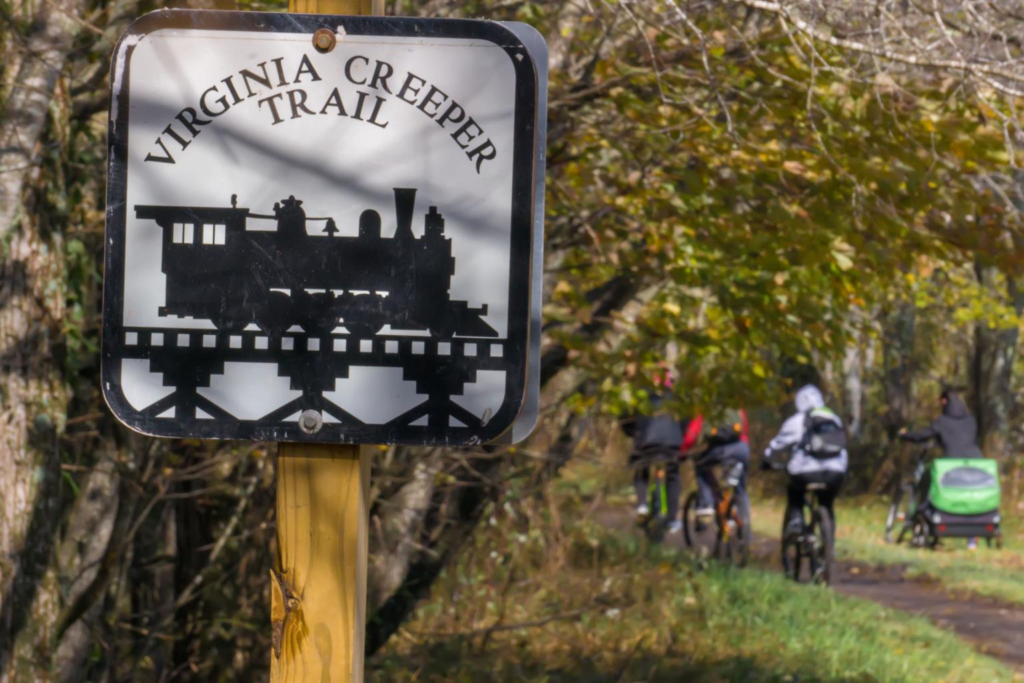
- Virginia Creeper Trail (Virginia) – a scenic downhill ride through Appalachian forests
Rail trails frequently include restored train depots, bridges, and tunnels, adding historic context to the journey.
Agricultural and Farm Trails
Some trails intentionally guide visitors through working farmland. These routes highlight regional agricultural heritage and allow travelers to see how rural economies function.
Farm trails often connect orchards, vineyards, dairy farms, and seasonal markets.
Travelers might pass:
- apple orchards in Washington state
- dairy farms in Wisconsin
- vineyards in California’s Central Coast
These routes emphasize local food culture as much as scenery.
River and Canal Pathways
Waterways historically served as transportation routes long before highways. Many modern trails follow canals or riverbanks originally used for commerce.
These paths offer some of the most diverse landscapes in rural America.
For example:
- The Erie Canalway Trail in New York traces the historic canal corridor
- The Ohio & Erie Canal Towpath Trail follows mule paths once used to pull canal boats
- The Illinois & Michigan Canal Trail connects prairie landscapes with historic towns
Because waterways support biodiversity, wildlife sightings are common.
National Scenic and Regional Trails
Some trails pass through rural areas as part of longer national systems.
The Appalachian Trail, Pacific Crest Trail, and Ice Age Trail all intersect quiet countryside between mountain ranges or wilderness areas.
While these long-distance routes attract experienced hikers, shorter segments provide accessible day trips through rural environments.
Landscapes That Look Different at Trail Speed
The biggest surprise for many first-time trail travelers is how dramatically landscapes change when experienced slowly.
Farmland Becomes Textured
From a highway, farmland often appears uniform. On a trail, it becomes dynamic.
Travelers notice irrigation patterns, soil color changes, crop diversity, and seasonal activity. Planting, harvesting, and grazing cycles become visible rather than abstract.
In the Midwest, a summer trail ride may reveal:
- rows of corn taller than a cyclist
- tractors working distant fields
- wind moving through prairie grasses
These elements create a living agricultural landscape.
Rivers Reveal Their Ecological Importance
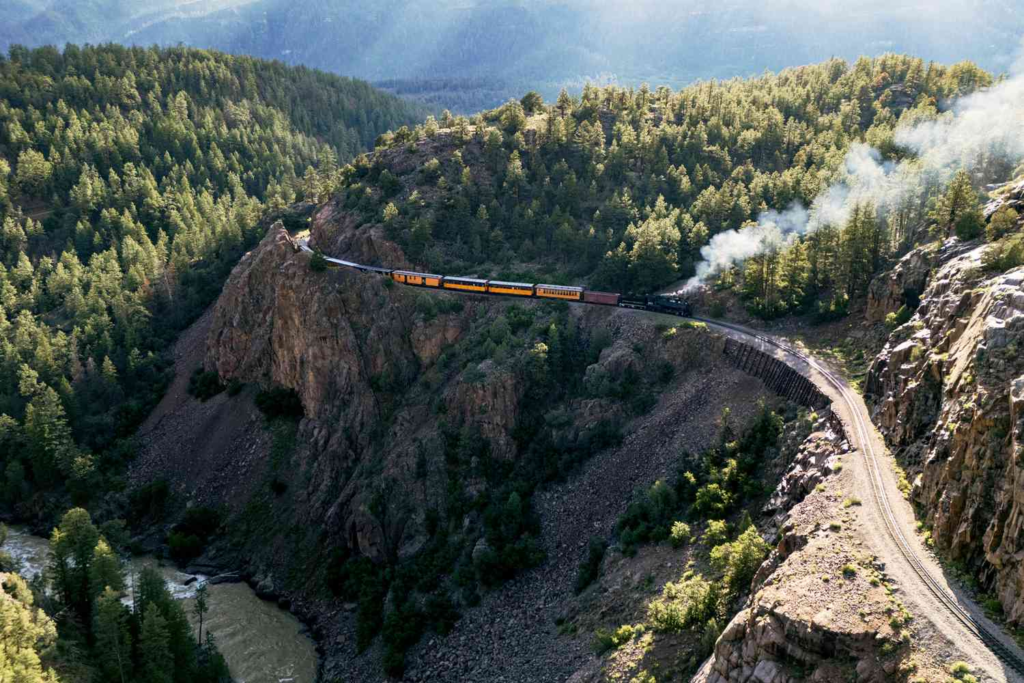
When viewed from bridges or highways, rivers are brief visual moments. Trails allow travelers to follow waterways for miles.
This perspective reveals how rivers shape surrounding ecosystems. Floodplains support wetlands, bird populations, and native plants that are rarely visible from roads.
The American Rivers organization reports that river corridor trails often pass through some of the most biologically productive landscapes in rural regions.
Travelers may see:
- herons hunting in shallow water
- turtles basking on logs
- seasonal wildflowers along banks
Historic Towns Feel Connected Rather Than Isolated
Many rural towns developed around railroads or waterways. When rail service ended, communities often became geographically isolated.
Trails restore those connections.
Cyclists and hikers arrive directly into town centers rather than bypassing them on highways. Visitors often stop for meals, overnight lodging, or local attractions.
Small towns along the Katy Trail in Missouri, for example, report steady tourism from trail users who travel between historic river towns.
Planning a Country Trail Experience
A successful country trail trip requires a bit more preparation than an urban park visit.
Conditions can change quickly, and services may be limited in rural areas.
Important planning steps include:
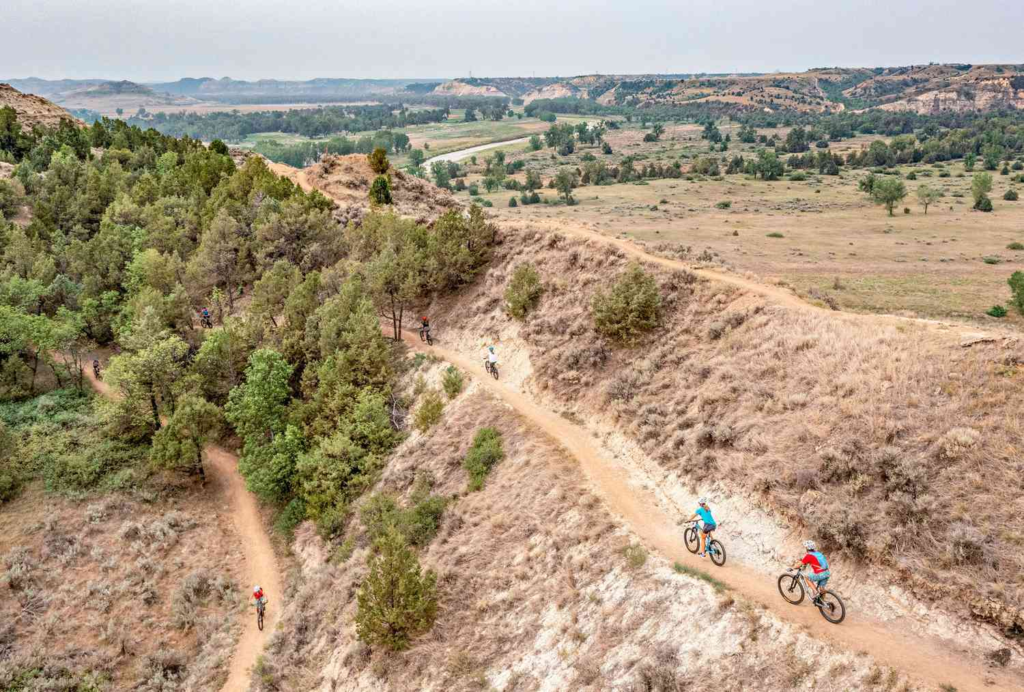
- Research trail surfaces – some are paved while others are crushed limestone or dirt
- Check distance between towns – water and food stops may be far apart
- Review seasonal conditions – flooding, snow, or heat may affect access
- Bring basic repair gear if cycling
- Download offline maps in areas with limited cell service
Many trail systems maintain official websites or visitor centers with updated information.
Best Seasons for Rural Trail Travel
Country trails offer different experiences depending on the season.
Spring often brings wildflowers, migrating birds, and cooler temperatures ideal for hiking.
Summer offers long daylight hours but can require early morning starts to avoid heat.
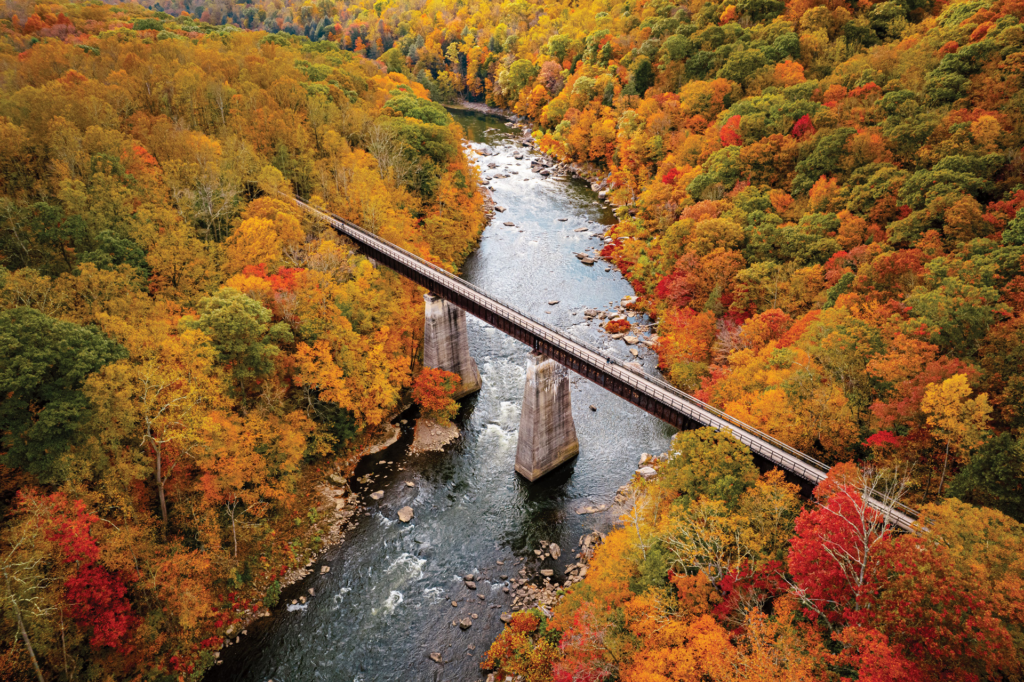
Fall is widely considered the most scenic season in many regions. Changing leaves, harvest activity, and moderate weather make trails particularly enjoyable.
Winter can also be rewarding on certain routes where cross-country skiing or snowshoeing is possible.
Safety and Etiquette on Rural Trails
Trail systems are shared environments used by hikers, cyclists, runners, and sometimes horseback riders.
Basic etiquette ensures everyone enjoys the space.
Common guidelines include:
- Keep right and pass on the left
- Announce when approaching from behind
- Yield to horses where applicable
- Stay on designated paths to protect farmland and habitats
- Pack out trash
Rural trails often pass through private property under easement agreements, so respecting the landscape is essential.
The Economic Impact of Country Trails
Country trails are not just recreational amenities—they can transform rural economies.
A 2022 study by the Outdoor Industry Association estimated that outdoor recreation contributes $862 billion annually to the U.S. economy, with trails playing a major role.
Rail-trail communities frequently see:
- increased tourism revenue
- new lodging and dining businesses
- expanded outdoor recreation services
The Great Allegheny Passage, for example, generates tens of millions of dollars annually for towns along the route.
For communities once dependent on railroads or industrial activity, trails provide a sustainable form of economic revitalization.
How Trails Encourage Conservation
When people experience landscapes closely, they tend to value them more.
Trail systems often pass through conservation areas, wildlife corridors, and protected farmland.
Local organizations frequently use trail development to:
- preserve green space
- protect water quality
- maintain habitat corridors
Community stewardship programs also encourage volunteers to help maintain trails, creating long-term investment in local landscapes.
Frequently Asked Questions
What is a country trail?
A country trail is a recreational path located in rural areas, often passing through farmland, forests, river corridors, or historic transportation routes.
Are rural trails suitable for beginners?
Many are. Rail-to-trail paths often have gentle grades and smooth surfaces, making them accessible for beginners and families.
Do you need special gear for country trails?
Basic gear such as water, comfortable footwear, sun protection, and navigation tools is usually sufficient. Cyclists may need repair kits and helmets.
How long are most rural trails?
Lengths vary widely. Some trails are a few miles long, while others extend for hundreds of miles across multiple states.
Are country trails safe?
Generally yes, but safety depends on preparation. Travelers should check conditions, carry supplies, and inform someone of their route when exploring remote areas.
Can you camp along country trails?
Some long-distance trails offer camping or nearby campgrounds. Always check local regulations and designated camping areas.
Are pets allowed on rural trails?
Many trails allow leashed dogs, though rules vary depending on wildlife protections and land agreements.
Do country trails stay open year-round?
Many remain open year-round, but conditions may change due to weather, flooding, or maintenance.
Are there guided trail experiences?
Yes. Some organizations offer guided cycling tours, wildlife walks, and historical tours along major trail systems.
How do trails support local communities?
Trails attract visitors who spend money on lodging, restaurants, and outdoor services, supporting rural economies.
Walking Into the Landscape Instead of Driving Past It
Country trails remind travelers that landscapes are meant to be experienced slowly. When people leave the highway and follow a quiet rural path, familiar scenery transforms into something immersive and meaningful.
A cornfield becomes a living ecosystem. A river becomes a corridor of wildlife. A small town becomes a destination rather than a place passed at speed.
Trails restore a sense of scale and connection that modern travel often removes.
For many Americans, they offer the rare chance to rediscover landscapes they thought they already knew.
Trail Wisdom to Carry With You
- Slow travel reveals details highways hide
- Rail-trails offer accessible long-distance routes
- Rural communities benefit economically from trail visitors
- River corridors often host the richest wildlife
- Seasonal changes transform trail experiences
- Planning ahead improves safety and enjoyment
- Respecting farmland and habitats protects trail access