Summary
Across the United States, country trails offer quieter alternatives to crowded national park routes. Many of the most memorable paths aren’t widely advertised—they’re the ones locals return to year after year. This guide explores what makes these trails special, where to find them, and how to experience them responsibly, with practical insights from communities that know these landscapes best.
Why Locally Recommended Trails Often Deliver the Best Experiences
Many travelers plan outdoor trips around famous destinations—national parks, well-known state trails, or routes highlighted in travel guides. While these places deserve their reputation, the trails locals recommend often offer something equally valuable: a deeper connection to the landscape and community.
Local trails typically evolve around everyday life. They pass through farmland, along historic rail corridors, across forested ridges, or beside rivers where residents hike, run, and walk dogs year-round. Because they’re used frequently by people who live nearby, they’re often well maintained and easy to navigate.
The National Trails System, established by Congress in 1968, now includes more than 88,000 miles of trails across the United States, according to the National Park Service. However, thousands of additional regional and community-managed paths exist outside that network. These are often the places locals recommend first.
What makes them appealing is their accessibility and authenticity. Instead of crowded trailheads and long entrance lines, you’re more likely to find quiet parking areas, simple signage, and a pace that encourages exploration rather than rushing.
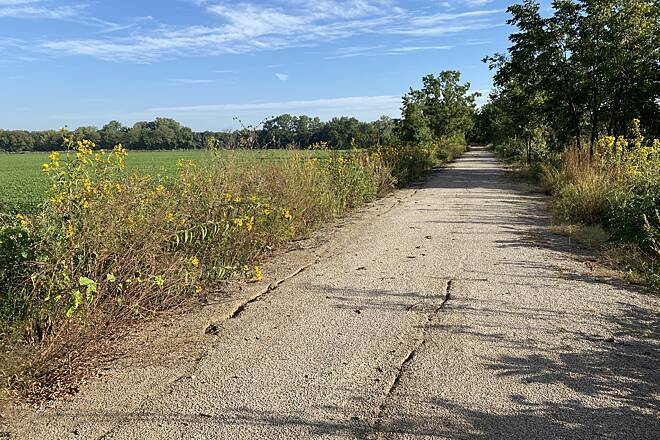
Locally loved trails also tend to reflect the character of their region. In New England, they may pass historic stone walls and maple forests. In the Midwest, they follow converted railroad lines across prairie landscapes. In the Southwest, they wind through red rock canyons shaped by centuries of erosion.
The result is a more grounded experience—one shaped by the everyday relationship between people and their surroundings.
What Locals Look for in a Great Country Trail
Ask frequent trail users what makes a route worth recommending, and the answers are surprisingly consistent. Most locals value trails that balance natural beauty with practicality.
Common qualities include:
- Reliable maintenance through local park departments or volunteer groups
- Moderate foot traffic, avoiding overcrowded conditions
- Scenic variety, such as rivers, forests, farmland, or mountain views
- Accessible trailheads within short driving distance of town
- Year-round usability, including seasonal appeal
Many locally recommended trails are also connected to regional conservation efforts. Organizations such as land trusts, county park systems, and volunteer trail groups often collaborate to maintain these routes.
These partnerships ensure that trails remain usable while protecting sensitive landscapes. For visitors, this translates to well-marked paths, safe bridges, and preserved natural areas that feel both welcoming and authentic.
Notable Country Trails Locals Often Recommend
While thousands of local trails deserve attention, a few well-known examples illustrate why community favorites stand out.
The Virginia Creeper Trail, Virginia
Stretching 34 miles through the Appalachian Mountains, the Virginia Creeper Trail is a converted railroad corridor connecting Abingdon to Whitetop. Locals appreciate the gradual downhill sections, scenic trestle bridges, and views of farmland and forest.
Despite its popularity, the trail maintains a relaxed pace because of its length and multiple access points. Cyclists and hikers share the route, and small mountain towns along the way add local character.
The Katy Trail, Missouri
At 240 miles, the Katy Trail is the longest developed rail-trail in the United States. Running along the Missouri River, it passes vineyards, limestone bluffs, and historic towns.
Residents often recommend specific segments—particularly the stretch between Rocheport and Boonville—where the trail hugs the river beneath towering cliffs.
The Swamp Rabbit Trail, South Carolina
This 22-mile greenway connecting Greenville and Travelers Rest demonstrates how country trails can exist near urban areas while maintaining a rural feel. The route passes rivers, wooded sections, and small-town cafes.
Locals appreciate its accessibility and year-round activity, making it one of the most community-centered trails in the Southeast.
The Olympic Discovery Trail, Washington
In Washington’s Olympic Peninsula, the Olympic Discovery Trail stretches more than 130 miles and continues to expand. Locals recommend sections near Port Angeles and Lake Crescent for views of forests, mountains, and coastal landscapes.
Because the trail spans multiple ecosystems, hikers experience a changing landscape within a relatively short distance.
The Growing Popularity of Local and Regional Trails
Interest in country trails has grown steadily over the past decade. Outdoor recreation participation surged during the COVID-19 pandemic, and many Americans discovered nearby trails for the first time.
According to the Outdoor Industry Association, outdoor recreation participation reached over 168 million Americans in 2023, with hiking and walking among the most popular activities.
Several trends explain the renewed attention toward local trails:
- Travelers are seeking less crowded outdoor experiences
- Communities are investing in rail-trail conversions and greenways
- Remote work has made regional travel more flexible
- Interest in health and nature exposure has increased
Local trails meet all these needs. They’re often free, open year-round, and accessible without complicated reservations.
How to Find the Trails Locals Recommend
Identifying locally loved trails requires a different approach than searching for the “top hikes in America.” Instead of focusing on national rankings, successful trail seekers look at community-level information.
Useful sources include:
- County park websites
- Regional trail alliances
- Local outdoor clubs
- Small-town visitor centers
- Conservation organizations
- Community Facebook groups or hiking forums
Apps such as AllTrails or TrailLink can also help, but locals often recommend lesser-known access points or alternate routes that don’t always appear prominently online.
Another reliable strategy is simply asking residents. Staff at coffee shops, bike rental stores, or local outfitters often know which trails offer the best seasonal views or quiet morning walks.
What Makes Country Trails Different from National Park Trails
National parks are designed to protect iconic landscapes and accommodate large numbers of visitors. Country trails serve a different purpose. They are integrated into the daily lives of nearby communities.
Several distinctions stand out.
Country trails often provide:
- Simpler infrastructure with fewer large visitor facilities
- More flexible access points across multiple towns
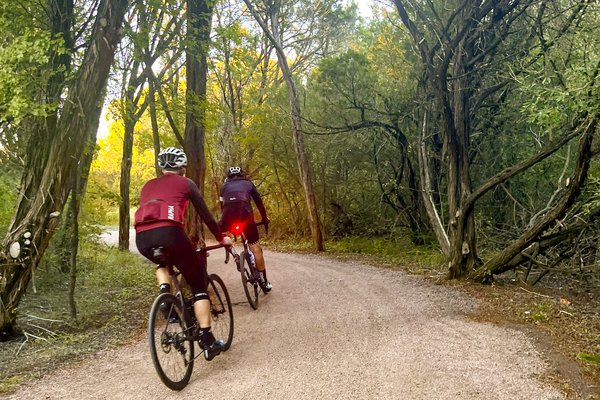
- Mixed-use opportunities for hiking, cycling, and walking
- Stronger community involvement in maintenance
Because they’re managed locally, these trails sometimes evolve faster than federally managed routes. Bridges get repaired quickly, signage improves over time, and community events such as charity rides or seasonal festivals are often organized around them.
This local ownership contributes to the welcoming atmosphere many visitors notice immediately.
Seasonal Experiences on Country Trails
One reason locals return to the same trails year after year is seasonal variety. Even familiar routes can feel different depending on the time of year.
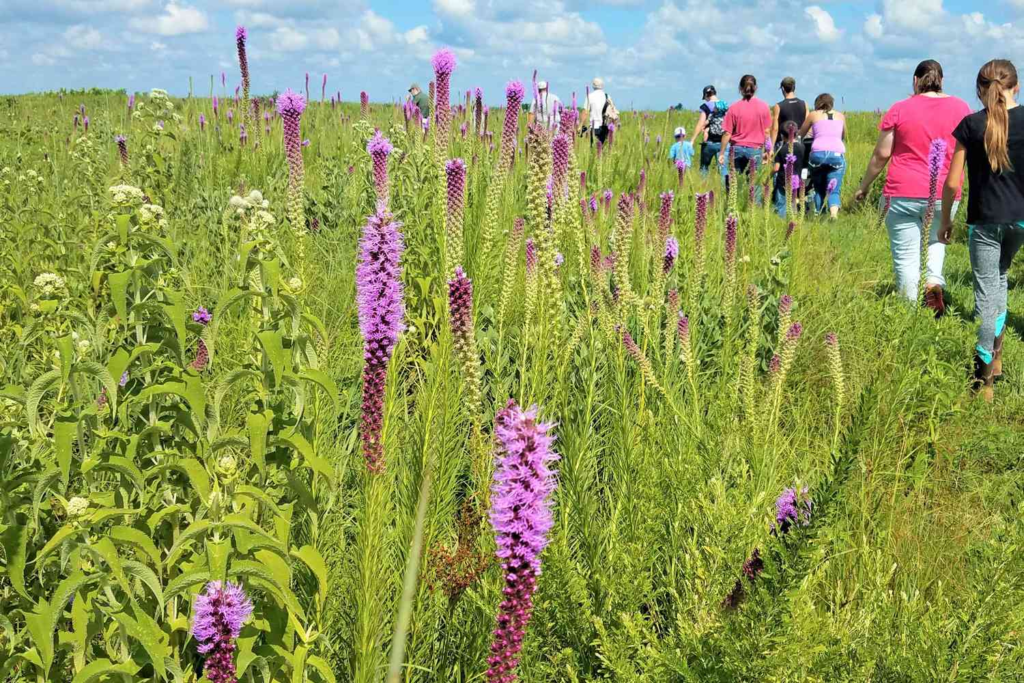
Spring often brings wildflowers and migrating birds. In many regions, trails follow rivers swollen with snowmelt, creating scenic views and cooler temperatures.
Summer offers longer daylight hours and shaded forest paths, though early morning walks are usually recommended in warmer climates.
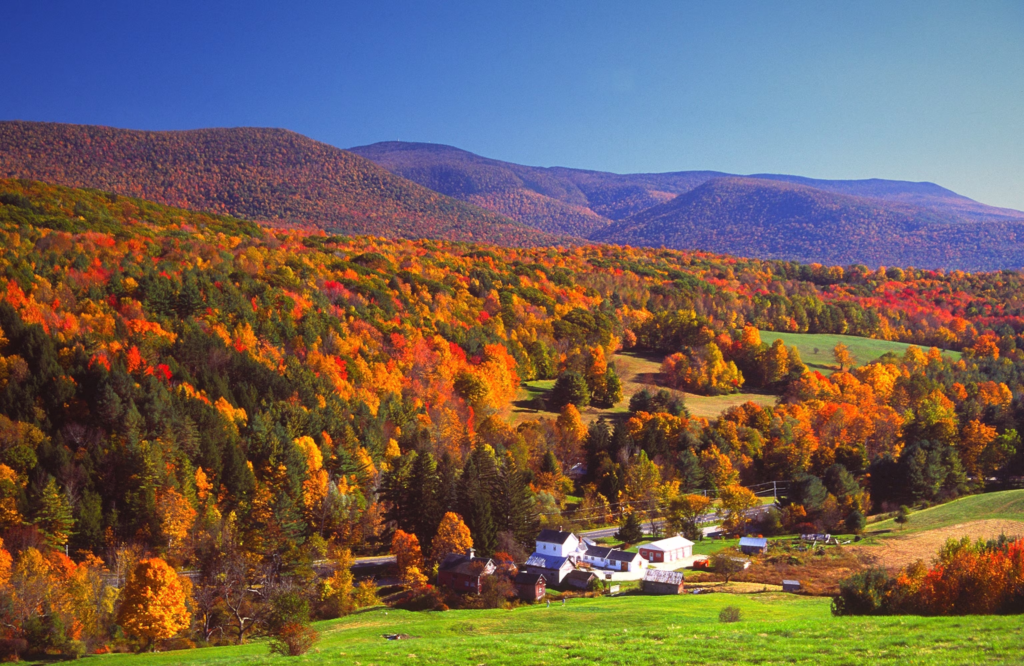
Autumn is perhaps the most popular season for country trails, particularly in regions with strong fall foliage such as New England, the Appalachian Mountains, and parts of the Midwest.
Winter transforms many trails into quiet landscapes used for snowshoeing, cross-country skiing, or peaceful walks through frosted forests.
Because local trails are accessible throughout the year, residents often develop personal routines tied to seasonal changes.
Responsible Trail Use: Respecting the Communities Behind the Paths
Country trails depend heavily on local stewardship. Volunteer groups frequently organize cleanup days, trail repairs, and habitat restoration projects.
Visitors can support these efforts by following simple guidelines:
- Stay on marked paths to protect vegetation
- Carry out all trash
- Yield appropriately on shared-use trails
- Respect nearby farmland and private property
- Follow posted seasonal restrictions
These small actions help ensure that trails remain welcoming for both residents and travelers.
Many communities also encourage visitors to support nearby businesses. A simple stop at a local diner or coffee shop after a hike contributes to the small-town economies that help maintain these outdoor spaces.
How Country Trails Reflect Regional Culture
Country trails are more than recreation routes—they often reveal the history and identity of the regions they cross.
Former railroad corridors tell stories of 19th-century transportation and commerce. Agricultural trails reflect farming traditions that still shape rural landscapes. Forest paths may follow historic logging routes or Native American travel corridors.
Interpretive signs along many trails highlight these connections, turning a simple walk into a deeper exploration of local heritage.
In this way, country trails serve as living museums—places where natural scenery and human history coexist.
FAQ: Country Trails in the United States
What is considered a country trail?
A country trail typically refers to a walking or cycling path located in rural or semi-rural areas, often connecting small towns, farmland, forests, or natural landscapes.
Are country trails usually free to access?
Most community trails and rail-trails in the United States are free and open to the public, though some state park trails may require parking or entry fees.
How long are typical country trails?
Lengths vary widely. Some are short 2–5 mile community paths, while others—such as major rail-trails—extend for hundreds of miles.
Are country trails suitable for beginners?
Many are. Rail-trails and greenways often feature gentle grades and well-maintained surfaces suitable for beginners and families.
What is a rail-trail?
A rail-trail is a converted railroad corridor repurposed for walking, cycling, and outdoor recreation.
When is the best time to visit country trails?
Spring and fall are generally ideal, though many trails remain open year-round depending on local weather.
Are dogs allowed on most country trails?
Many trails allow leashed dogs, but policies vary by location. Checking local park guidelines is recommended.
How can travelers support local trail systems?
Supporting nearby businesses, respecting trail rules, and donating to regional conservation organizations all help sustain these trails.
Do country trails connect multiple towns?
Many rail-trails and greenways link several communities, making them popular for long-distance cycling trips.
Are country trails safe for solo travelers?
Most well-maintained community trails are considered safe, especially during daylight hours and in frequently used sections.
Why These Quiet Paths Continue to Matter
Country trails may not always appear in national travel rankings, but they play an important role in how Americans experience the outdoors. They provide accessible spaces for exercise, reflection, and community connection.
For visitors willing to look beyond the most famous destinations, these locally recommended routes offer something equally valuable: landscapes shaped by everyday life and shared stewardship.
Walking them often reveals a side of the country that guidebooks rarely capture.
Key Points at a Glance
- Locally recommended trails often provide quieter, more authentic outdoor experiences
- Many country trails follow historic rail corridors, rivers, or farmland routes
- Community organizations play a major role in maintaining these paths
- Seasonal changes make the same trail feel different throughout the year
- Supporting local businesses helps sustain trail communities