Summary
Across the United States, many outdoor enthusiasts are choosing country trails over traditional urban parks. These quieter routes offer more space, deeper nature experiences, and fewer crowds. From rural rail-trails to farmland footpaths, country trails provide practical benefits for hikers, runners, cyclists, and families seeking peaceful outdoor recreation without the congestion often found in popular public parks.
The Growing Shift Away From Crowded Parks
Over the past decade, public parks across the United States have experienced unprecedented visitor growth. During and after the pandemic, outdoor recreation surged as Americans searched for safe ways to stay active. While this trend helped many people rediscover nature, it also introduced a new challenge: overcrowding.
Large metropolitan parks now regularly see packed parking lots, congested walking loops, and limited quiet spaces—especially on weekends.
Country trails, however, are increasingly filling the gap.
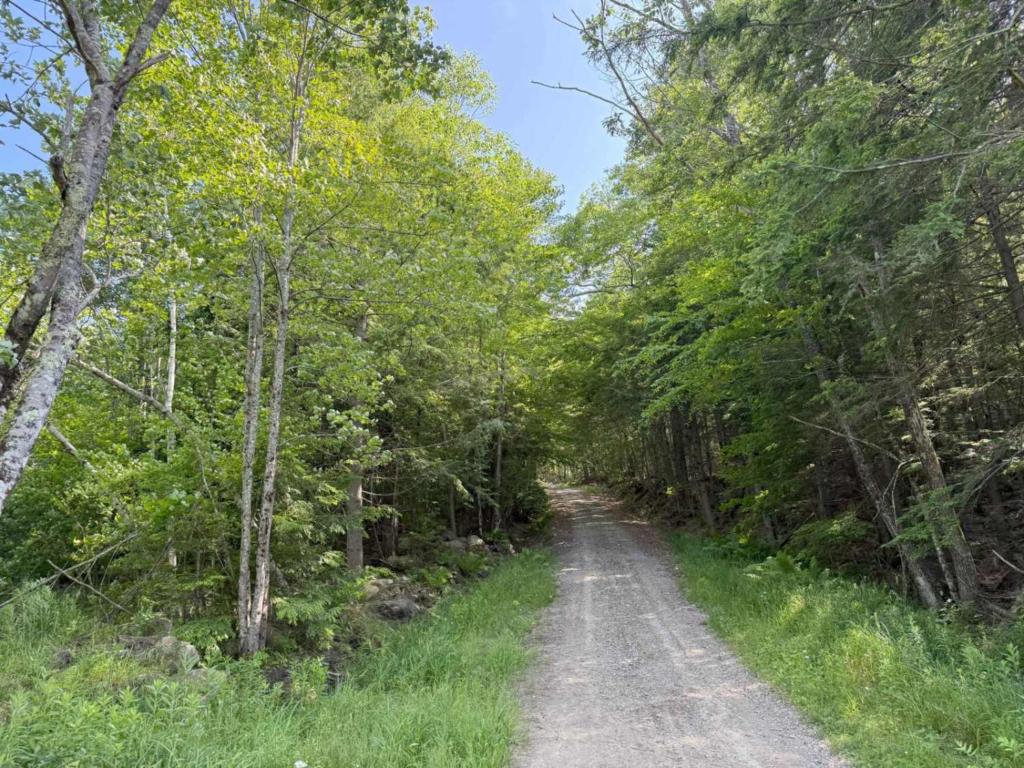
Unlike traditional city parks designed around playgrounds, picnic areas, and sports fields, country trails stretch through farmland, forests, riversides, and rural landscapes. These trails often run along converted railways, conservation corridors, or rural road systems. The result is a more spacious outdoor experience that feels less structured and far less crowded.
For many Americans, the appeal is simple: more room, fewer distractions, and a deeper connection to nature.
What Exactly Is a “Country Trail”?
The term country trail typically refers to multi-use or hiking paths located in rural or semi-rural environments rather than inside urban parks. These trails vary widely in design and management.
Some are long-distance rail-trails built on former railroad corridors. Others are natural dirt paths maintained by local conservation groups or county park departments.
Common characteristics include:
- Routes that pass through farmland, forests, or wetlands
- Longer trail segments without playgrounds or sports facilities
- Fewer commercial vendors or visitor centers
- Smaller trailheads rather than large parking complexes
- Multi-use access for walkers, runners, cyclists, and sometimes horseback riders
Many country trails also connect small towns, making them part of regional recreation networks.
For example, a typical rail-trail might run 20–50 miles between rural communities, allowing users to explore large landscapes rather than a single park loop.
Why Crowded Parks Are Losing Their Appeal
Urban parks remain essential public spaces, but they increasingly face limitations as outdoor participation rises.
Several factors are pushing people to explore alternatives.
1. Visitor Overload
In many metropolitan areas, popular parks experience thousands of visitors per day during peak seasons.
Crowded trails can lead to:
- Constant passing and congestion
- Limited quiet areas
- Difficulty parking
- Reduced wildlife sightings
For hikers seeking calm or solitude, these conditions diminish the outdoor experience.
2. Noise and Activity Density
City parks often serve multiple functions at once—sports leagues, festivals, dog parks, playgrounds, and large gatherings.
While these uses are valuable, they can create an environment that feels more like an urban plaza than a nature retreat.
Country trails, by contrast, typically maintain a quieter atmosphere.
3. Limited Trail Length
Many urban parks have walking loops under two miles long.
Frequent loops can feel repetitive, especially for runners or cyclists training for longer distances.
Country trails often stretch for dozens of miles, offering variety and distance without retracing the same path.
The Unique Advantages of Country Trails
Country trails offer practical advantages that extend beyond simply avoiding crowds.
More Physical Space
Perhaps the most obvious benefit is room to move.
Wide rural corridors and long-distance paths reduce congestion, making activities like cycling, jogging, or dog walking easier and safer.
Even when trails are popular, users tend to spread out over miles rather than clustering around a central park entrance.
A More Immersive Nature Experience
Country trails often pass through landscapes that urban parks cannot replicate.
These environments might include:
- Working farmland
- River floodplains
- Woodlands and wildlife corridors
- Historic rural towns
- Wetland ecosystems
Because these areas are less developed, users often encounter birds, deer, turtles, and seasonal wildflowers.
For many visitors, this deeper connection to nature is the main attraction.
Longer Continuous Routes
Many country trails provide uninterrupted distances of 10 miles or more.
This supports a wider range of outdoor activities, including:
- Long-distance cycling
- Marathon training
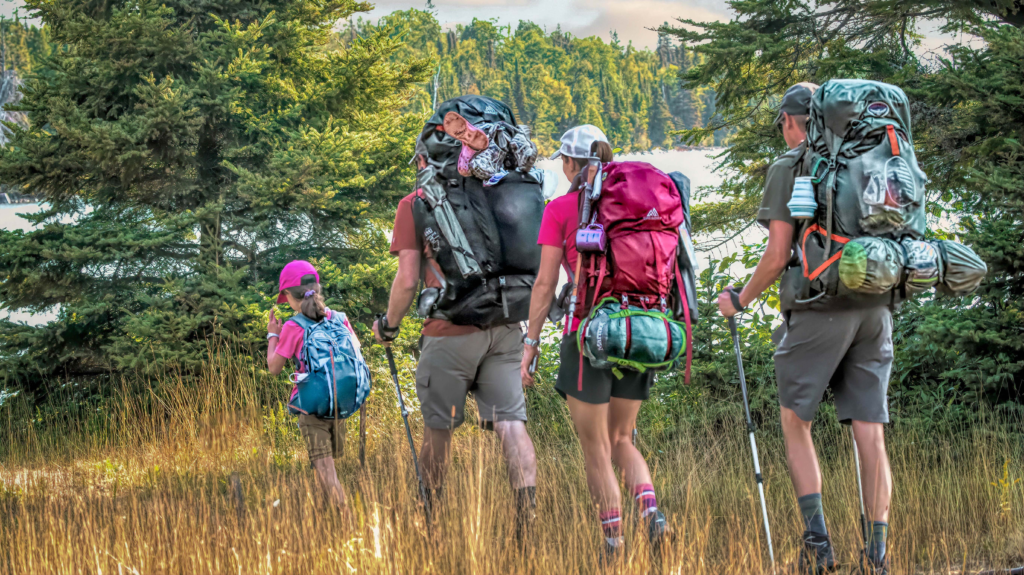
- Backpacking segments
- Family day trips between small towns
These extended routes allow users to explore at their own pace without repeating the same scenery.
Lower Infrastructure Density
Unlike urban parks, country trails typically lack large commercial facilities.
That means fewer:
- Concession stands
- Event spaces
- Organized sports fields
For people seeking a quieter outdoor environment, this simplicity can be a major benefit.
Real-World Examples of Country Trail Growth
Across the United States, regional trail systems are expanding rapidly.
According to the Rails-to-Trails Conservancy, the U.S. now has over 24,000 miles of rail-trails, with thousands more miles planned or under development.
These trails often pass through rural counties and agricultural areas rather than dense cities.
Examples of popular rural trail systems include:
- Long-distance greenways connecting multiple small towns
- River valley trails used for cycling tourism
- Agricultural corridor paths that run through vineyards or farmland
Local economies often benefit as well. Small towns along trail routes frequently see increased visitors stopping for food, lodging, or bike repairs.
In many regions, country trails are becoming both recreation assets and economic drivers.
Why Families Are Choosing Country Trails
Country trails are not only attracting serious hikers and cyclists—they are increasingly popular with families.
Several practical features make them accessible for all ages.
Gentle Grades
Many rail-trails follow old railway lines, which were designed with gradual slopes. This makes them easier for children, beginners, and older adults.
Safer Multi-Use Paths
Because country trails often run far from busy roads, parents feel more comfortable letting children walk or bike independently.
Educational Opportunities
Rural trails offer natural learning environments where families can observe:
- Wildlife habitats
- Seasonal plant changes
- Agricultural landscapes
- Local history markers
These experiences can turn a simple walk into an informal outdoor lesson.
The Mental Health Factor
Another reason country trails are gaining popularity is their psychological benefit.
Research in environmental psychology consistently shows that natural settings can reduce stress and improve mood.
Key factors that influence mental restoration include:
- Lower noise levels
- Natural scenery
- Open space and distance from crowds
- Opportunities for quiet reflection
Country trails often deliver these elements more reliably than urban parks.
Many users report that long rural walks or bike rides provide a sense of escape that city environments cannot easily replicate.
Planning a Visit to a Country Trail
For those new to rural trails, preparation is helpful. Unlike city parks, amenities may be limited.
Before visiting, consider the following steps.
Check trail access points
Many country trails have smaller parking areas spaced miles apart.
Bring basic supplies
Pack water, snacks, sunscreen, and weather-appropriate clothing.
Download maps or GPS routes
Cell coverage may be inconsistent in rural areas.
Understand trail etiquette
Multi-use trails require cooperation between walkers, cyclists, and sometimes horseback riders.
Respect nearby farmland
Stay on designated paths and avoid disturbing agricultural operations.
These small steps can help ensure a safe and enjoyable visit.
How Communities Are Investing in Rural Trails
County governments and conservation organizations are increasingly recognizing the value of rural trail systems.
Many projects focus on converting abandoned rail corridors into recreational greenways.
Benefits for communities include:
- Increased outdoor recreation access
- Tourism revenue for rural towns
- Safe transportation routes between communities
- Preservation of natural corridors
Trail networks also support public health initiatives by encouraging walking and cycling.
As funding for green infrastructure grows, more regions are likely to see country trail development in the coming years.
Frequently Asked Questions
1. Are country trails the same as hiking trails?
Not always. Many country trails are multi-use paths, meaning they support walking, running, cycling, and sometimes horseback riding.
2. Are country trails safe for beginners?
Yes. Many are relatively flat and well maintained, especially rail-trails built on former railroad lines.
3. Do country trails require permits or fees?
Most are free public access routes managed by local governments or nonprofit organizations.
4. Can you bike on country trails?
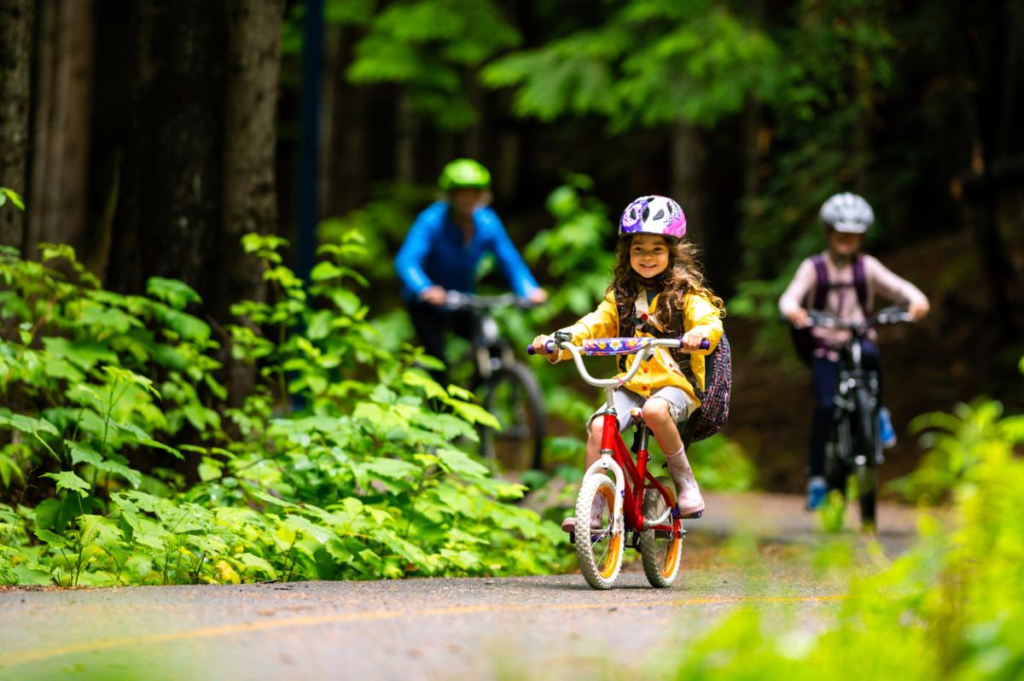
Many country trails are specifically designed for cycling, often with crushed stone or paved surfaces.
5. Are dogs allowed?
Many trails allow dogs on leashes, but regulations vary by location.
6. Are rural trails crowded on weekends?
Some popular routes can be busy, but crowd density is usually far lower than major urban parks.
7. What should I bring to a country trail?
Water, snacks, sun protection, comfortable footwear, and a trail map are typically recommended.
8. Do country trails have restrooms?
Facilities vary widely. Some trailheads provide restrooms, while others do not.
9. Are country trails accessible for strollers or wheelchairs?
Many rail-trails with paved surfaces are accessible, though natural dirt trails may not be.
10. How can I find country trails near me?
Regional park departments, trail organizations, and mapping apps often list local rural trails and trailheads.
Why Quiet Trails May Shape the Future of Outdoor Recreation
As outdoor participation continues to grow, the need for spacious recreation areas will only increase. Country trails provide a practical solution by distributing visitors across longer landscapes rather than concentrating them inside single parks.
For individuals seeking quiet exercise, families wanting safe cycling routes, or travelers exploring rural regions, these trails offer a flexible and refreshing alternative to crowded public spaces.
Their continued expansion suggests that the future of outdoor recreation may stretch far beyond traditional park boundaries.
Key Insights at a Glance
- Country trails offer quieter alternatives to crowded urban parks
- Many follow historic railway corridors across rural landscapes
- Long distances allow running, cycling, and exploration without repetition
- Families benefit from gentle grades and safe multi-use paths
- Rural communities often gain tourism and economic activity
- Natural settings provide mental health and stress-reduction benefits
- Planning ahead is important due to fewer amenities
- Trail networks across the U.S. continue to expand rapidly