
Summary
Across the United States, country trails offer a quieter alternative to crowded national parks and high-traffic hiking routes. These paths wind through farmland, forests, river valleys, and rural communities where nature and local history intersect. For travelers seeking slower outdoor experiences, country trails provide accessible ways to explore landscapes, wildlife, and regional culture without the noise and congestion of more popular destinations.
Why Country Trails Appeal to Modern Outdoor Travelers
In recent years, many Americans have started looking for outdoor spaces that feel less crowded and more connected to everyday landscapes. National parks remain popular, but smaller rural trail systems are quietly gaining attention among hikers, cyclists, and casual walkers.
Country trails—often built along historic rail corridors, farmland paths, and conservation areas—offer a slower and more intimate way to experience nature. Instead of dramatic mountain summits or heavily trafficked scenic viewpoints, these routes highlight subtle details: the sound of wind moving through prairie grass, the rhythm of farm life, and the seasonal changes in forests and wetlands.
According to the Rails-to-Trails Conservancy, the United States now has over 42,000 miles of multi-use trails created from converted rail lines alone. Many of these routes run through rural areas where visitors encounter quiet landscapes and small towns rather than busy tourist centers.
This shift reflects a broader change in outdoor recreation. Many people are not seeking extreme adventure but rather:
- Peaceful walking routes
- Accessible nature close to small communities
- Scenic cycling paths away from traffic
- Opportunities to observe wildlife and rural culture
Country trails deliver these experiences in ways that larger parks sometimes cannot.
What Defines a “Country Trail”?
Not every rural path qualifies as a country trail. In the American context, the term typically describes a trail system that emphasizes accessibility, natural surroundings, and connections to rural landscapes.
Country trails often share several characteristics.
- Located in rural or semi-rural areas
- Usually moderate or easy terrain
- Often converted from historic rail lines or farm roads
- Designed for walking, biking, and casual recreation
- Connected to small towns or agricultural regions
Unlike wilderness backcountry routes, country trails tend to prioritize comfort and accessibility. Many include smooth gravel or paved surfaces, making them suitable for families, beginner cyclists, and older travelers.
This accessibility helps explain their growing popularity.
Notable Country Trails Across the United States
While thousands of rural trails exist, a few stand out for their scenery, community connections, and well-maintained routes.
The Great Allegheny Passage
Running roughly 150 miles between Pittsburgh and Cumberland, Maryland, the Great Allegheny Passage has become one of the most respected long-distance country trails in the eastern United States.
The trail follows historic rail corridors through forests, small towns, and river valleys of Pennsylvania and Maryland. Cyclists and hikers pass restored railroad tunnels, historic bridges, and quiet Appalachian landscapes.
What makes the route distinctive is how it blends natural scenery with rural heritage. Small communities along the trail often provide locally owned cafés, bed-and-breakfasts, and bike repair shops that support trail travelers.
The Katy Trail
Stretching over 240 miles across Missouri, the Katy Trail State Park is the longest developed rail trail in the United States.
The trail traces the Missouri River corridor, offering views of farmland, limestone bluffs, and historic river towns. Because the terrain is relatively flat, it attracts cyclists seeking multi-day touring routes without steep climbs.
Highlights include:
- Vineyards and wineries in Missouri wine country
- Historic towns like Rocheport and Hermann
- Wildlife along the river floodplain
The trail demonstrates how country routes can support tourism while preserving rural character.
The Cowboy Trail
In the plains of Nebraska, the Cowboy Trail provides a dramatically different landscape.
This trail spans more than 190 miles, crossing open prairies, cattle ranches, and remote Sandhills ecosystems. Long stretches pass through areas where visitors might encounter more wildlife than people.
The quiet scale of the landscape is part of the experience. Wide horizons, big skies, and minimal development create a sense of calm rarely found in crowded recreation areas.
How Country Trails Support Rural Communities
Country trails do more than provide recreation—they often strengthen local economies.
Small towns connected to trail networks frequently see increased visitation from cyclists, hikers, and long-distance travelers. These visitors tend to stay overnight, eat at local restaurants, and purchase supplies from community businesses.
The Rails-to-Trails Conservancy estimates that trail tourism generates millions of dollars annually for rural regions across the United States.
Economic benefits commonly include:
- Growth of local lodging such as bed-and-breakfasts
- Increased restaurant and café activity
- Bike rental and repair services
- Seasonal events and trail festivals
In many cases, trails help preserve historic rail corridors and encourage conservation of surrounding landscapes.
What You’ll Experience on a Typical Country Trail
One of the most appealing aspects of country trails is their variety. While each region has unique scenery, many share a similar rhythm.
Travelers often move through several distinct environments over the course of a single day.
- Agricultural landscapes with barns, pastures, and crop fields
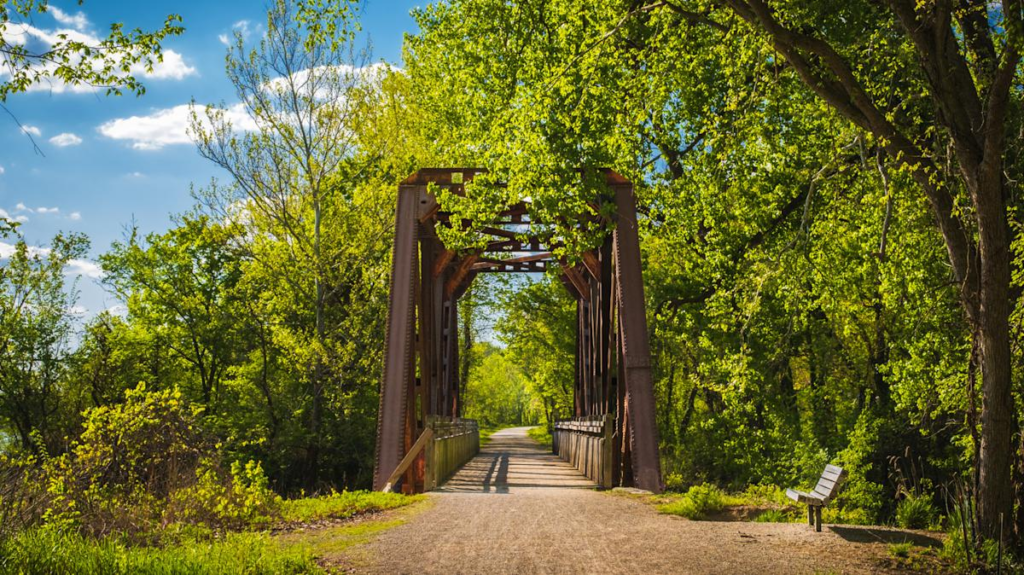
- Wooded corridors where rail lines once passed through forest
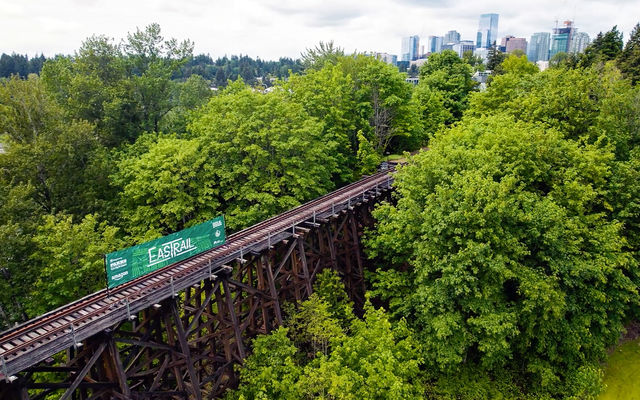
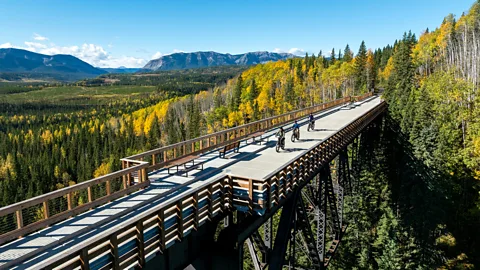
- River crossings on historic trestle bridges
- Small towns with trailheads, cafés, and historic buildings
Wildlife sightings are also common. Depending on the region, visitors may encounter deer, foxes, hawks, or migratory birds.
Because many country trails follow former railroads, the grades tend to be gentle, making them comfortable for extended walking or cycling.
Planning a Country Trail Visit
Preparing for a country trail trip is generally simpler than planning a wilderness backpacking excursion. However, a few practical considerations can improve the experience.
Choosing the Right Trail
Consider the following factors when selecting a trail.
- Distance and terrain — Some trails stretch hundreds of miles, while others are shorter day routes
- Surface type — Paved trails suit casual cyclists; gravel trails work well for hybrid bikes
- Nearby services — Rural areas may have limited food and lodging options
- Seasonal conditions — Flooding, snow, or heat may affect accessibility
What to Bring
Even on well-maintained trails, preparation matters.
- Water and snacks
- Weather-appropriate clothing
- Basic repair tools for bicycles
- Offline maps or trail apps
- Sunscreen and insect protection
Cell service can be limited in rural areas, so downloading maps ahead of time is helpful.
The Quiet Benefits of Slower Outdoor Travel
Country trails support a style of travel that emphasizes observation rather than speed.
Instead of racing toward a summit or famous viewpoint, visitors often spend time noticing smaller details:
- Changing light over farmland
- Seasonal wildflowers along the path
- The sound of birds and insects in prairie grass
- Local conversations in trail-side towns
Researchers studying outdoor recreation have noted that slower activities such as walking and cycling can improve stress recovery and mental well-being.
Quiet environments, limited traffic noise, and natural scenery contribute to these benefits.
Conservation and Stewardship Along Rural Trails
Country trails frequently pass through sensitive ecosystems and private land corridors. Responsible behavior helps maintain access and protect natural areas.
Visitors should follow several basic principles.
- Stay on designated paths
- Respect private property boundaries
- Pack out all waste
- Avoid disturbing wildlife
- Support local conservation initiatives
Many trail systems depend on volunteers and nonprofit groups for maintenance and improvement. Donating to local trail organizations or participating in cleanup events helps ensure these spaces remain available for future travelers.
Frequently Asked Questions About Country Trails
What is the difference between a country trail and a hiking trail?
Country trails are typically wider, smoother, and easier to navigate. Many follow former rail lines or rural roads and are suitable for walking, cycling, and sometimes horseback riding.
Are country trails suitable for beginners?
Yes. Most country trails have gentle grades and clear signage, making them accessible for beginners and families.
How long are most country trails?
They vary widely. Some are short local loops under 10 miles, while others—like the Katy Trail—extend more than 200 miles.
Can you bike on country trails?
Many country trails are designed specifically for multi-use recreation, including cycling.
Are country trails safe?
Generally yes, especially during daylight hours. However, visitors should remain aware of weather conditions, wildlife, and remote sections with limited services.
What time of year is best for country trail visits?
Spring and fall often offer comfortable temperatures and scenic landscapes, though many trails remain open year-round.
Do country trails have entry fees?
Most are free to access, though some state-managed trails may charge parking or park entry fees.
Are pets allowed on country trails?
Many trails allow dogs if they remain on a leash, though regulations vary by location.
Do country trails connect towns?
Yes. Many rail-trail systems intentionally link small towns, allowing visitors to travel between communities.
How can I find country trails near me?
Local park systems, state recreation departments, and trail organizations such as the Rails-to-Trails Conservancy provide searchable trail maps online.
A Different Way to Experience the American Landscape
Country trails remind travelers that meaningful outdoor experiences do not always require remote wilderness or famous destinations. Some of the most memorable moments occur on quiet paths between farms, forests, and river valleys where the pace of travel slows and the surrounding landscape becomes easier to notice.
These trails reflect a uniquely American blend of conservation, local history, and community collaboration. They offer spaces where visitors can walk, ride, and observe the countryside in ways that feel both accessible and deeply connected to place.
Key Insights From America’s Country Trails
- Rural trail networks are expanding across the United States
- Many follow historic rail corridors now converted into recreation routes
- They provide quiet alternatives to crowded national parks
- Local towns often benefit economically from trail tourism
- Slower travel encourages deeper observation of landscapes and wildlife