Summary
Country trails across the United States offer more than scenic walks—they reveal layers of local history, regional culture, and natural landscapes that shaped rural communities. From former rail corridors to historic farming routes, these trails combine outdoor recreation with storytelling. Exploring them allows visitors to experience nature, learn about regional heritage, and support small-town economies along the way.
Across the United States, country trails provide a unique way to experience the outdoors while gaining insight into the history of rural America. These paths wind through farmland, forests, river valleys, and small towns, often following routes that once served early settlers, railroad workers, and agricultural communities.
Unlike large national park hiking routes that focus mainly on wilderness exploration, country trails frequently blend natural landscapes with cultural narratives. Walking them offers a slower, more reflective travel experience—one where historical markers, preserved structures, and local traditions shape the journey.
In recent years, interest in these trails has grown. According to the Rails-to-Trails Conservancy, the United States now has more than 25,000 miles of rail-trail pathways, many located in rural regions that highlight local history alongside scenic views. These trails attract millions of visitors annually while helping preserve historic transportation corridors.
For travelers seeking a deeper connection to place, country trails provide something rare: a chance to explore the American landscape while understanding the communities that developed around it.
Why Country Trails Offer More Than Scenic Walks
At first glance, many country trails appear to be simple recreational paths. However, most have origins tied to historic routes that once supported agriculture, commerce, and transportation.
Many trails were developed from:
- Former railroad corridors
- Historic wagon roads
- Canal towpaths
- Agricultural access routes
- Logging roads used in early timber industries
These origins mean that country trails often pass through areas rich in historical significance.
For example, the Katy Trail in Missouri, the longest developed rail-trail in the United States at over 240 miles, follows the former Missouri-Kansas-Texas Railroad line along the Missouri River. Along the route, visitors encounter preserved depots, small river towns, and interpretive signage explaining the region’s role in westward expansion.
Similarly, the Great Allegheny Passage running between Pittsburgh and Cumberland traces routes used by coal miners and canal workers in the 19th century. Today, cyclists and hikers travel through tunnels and over historic bridges that once carried freight across the Appalachian region.
These examples illustrate how country trails function as living historical corridors, offering both recreation and education.
How Rural Landscapes Shape the Trail Experience
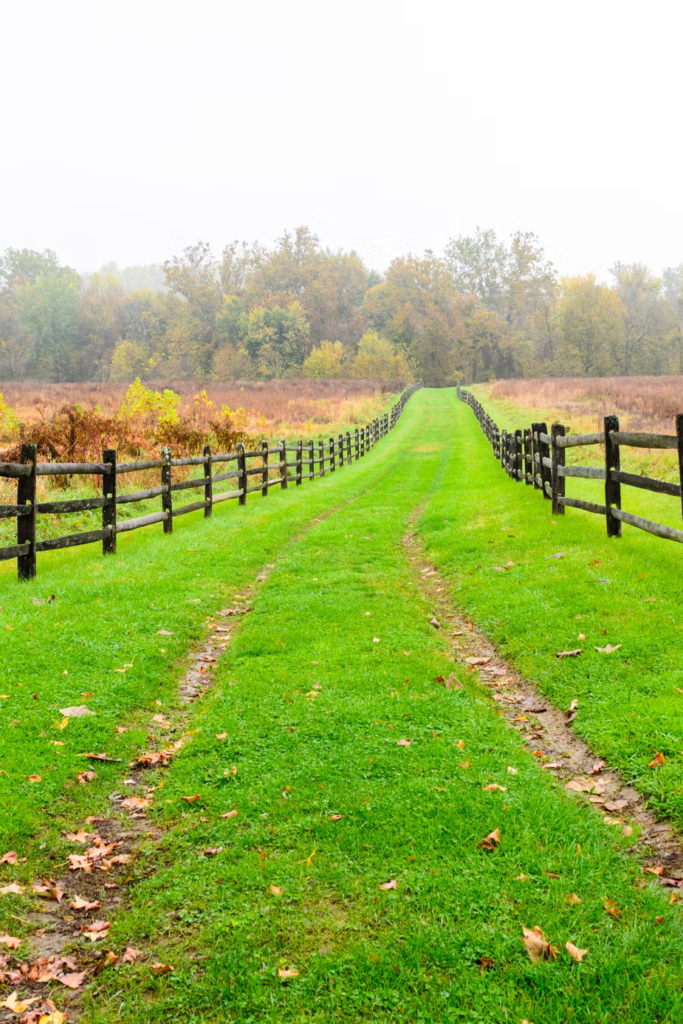
One of the defining characteristics of country trails is their location in rural environments. Unlike urban greenways, these trails pass through working landscapes where agriculture, wildlife habitats, and historic towns remain active parts of daily life.
Travelers may encounter:
- Open farmland and grazing pastures
- River valleys and wetlands
- Forested ridges and rolling hills
- Historic barns and grain elevators
- Small-town main streets near trail crossings
These settings provide a strong sense of place.
For instance, trails in the Midwest often travel through agricultural regions where visitors see cornfields, soybean farms, and restored prairie landscapes. In the Northeast, trails frequently pass through wooded hills and historic mill towns. Meanwhile, many Southern trails follow river systems or old railroad lines tied to early industrial growth.
Because these trails connect natural landscapes with cultural geography, they help travelers understand how communities evolved alongside the environment.
Examples of Country Trails That Combine History and Nature
Across the country, many well-known trails demonstrate how outdoor recreation and historical storytelling can work together.
Notable U.S. Country Trails
- Katy Trail (Missouri) – Runs through river towns and farmland along the Missouri River corridor
- Great Allegheny Passage (Pennsylvania–Maryland) – A 150-mile route through Appalachian mining and canal history
- Silver Comet Trail (Georgia) – Follows a historic rail line through forests and rural communities
- Virginia Creeper Trail (Virginia) – A scenic route through mountain landscapes and old logging areas
- Cowboy Trail (Nebraska) – One of the longest rail-trails in the country, stretching across prairie landscapes
These trails illustrate how historic transportation routes can be transformed into recreational pathways while preserving regional identity.
What You Can Learn While Walking a Country Trail
Country trails often include interpretive signage and preserved landmarks that highlight local stories. This transforms a simple hike into a learning experience.
Common historical themes include:
- Indigenous history and early trade routes
- 19th-century railroad expansion
- Agricultural development in rural communities
- Civil War troop movements in certain regions
- Industrial heritage such as mining, logging, or milling
For example, many trails in Pennsylvania and West Virginia highlight the rise and decline of coal mining communities. Meanwhile, trails in the Midwest often interpret the development of railroads that connected farming regions to national markets.
These narratives help visitors understand how transportation, geography, and economic activity shaped rural America.
The Role Country Trails Play in Local Economies
Country trails are not only recreational resources—they also support rural economies.
Small towns along trail corridors frequently benefit from increased tourism. Visitors may stop for meals, lodging, equipment rentals, or local attractions.
Communities often see growth in:
- Local cafés and restaurants
- Bed-and-breakfast accommodations
- Bike rental and repair shops
- Local museums and heritage centers
- Farmers markets and craft stores
A study by the Rails-to-Trails Conservancy found that trail tourism generates hundreds of millions of dollars annually in economic activity across the United States.
For many rural communities that lost railroad or manufacturing industries decades ago, trail tourism offers a sustainable way to bring visitors back.
Planning a Visit to a Country Trail
While many country trails are accessible year-round, planning ahead can make the experience more rewarding.
Consider these practical tips before visiting:
- Research trail length and terrain – Some rail-trails are flat and accessible, while others involve elevation changes.
- Check seasonal conditions – Rural trails may be affected by weather or flooding.
- Plan rest stops – Smaller towns may be spaced several miles apart.
- Bring water and snacks – Services are not always available along remote sections.
- Respect local land use – Many trails pass through working farms or private property.
Many state tourism websites provide maps and trail guides that include historical highlights and recommended stopping points.
Wildlife and Environmental Features Along Country Trails
Country trails often pass through areas rich in biodiversity. Because many follow river corridors or preserved rail rights-of-way, they create valuable wildlife habitats.
Visitors frequently encounter:
- White-tailed deer
- Red foxes
- Wild turkeys
- Songbirds and migratory birds
- Turtles and amphibians near wetlands
Some trails also pass through protected natural areas such as wildlife refuges or conservation lands.
The U.S. Fish and Wildlife Service notes that green corridors like trails can support biodiversity by connecting fragmented habitats. This makes country trails important not only for recreation but also for ecological conservation.
How Trails Preserve Community Heritage
One of the most meaningful aspects of country trails is their role in preserving local heritage.
When old rail lines or historic roads fall out of use, communities face a choice: allow them to deteriorate or repurpose them for public benefit. Trail development often helps protect these corridors from being lost.
Historic features commonly preserved along trails include:
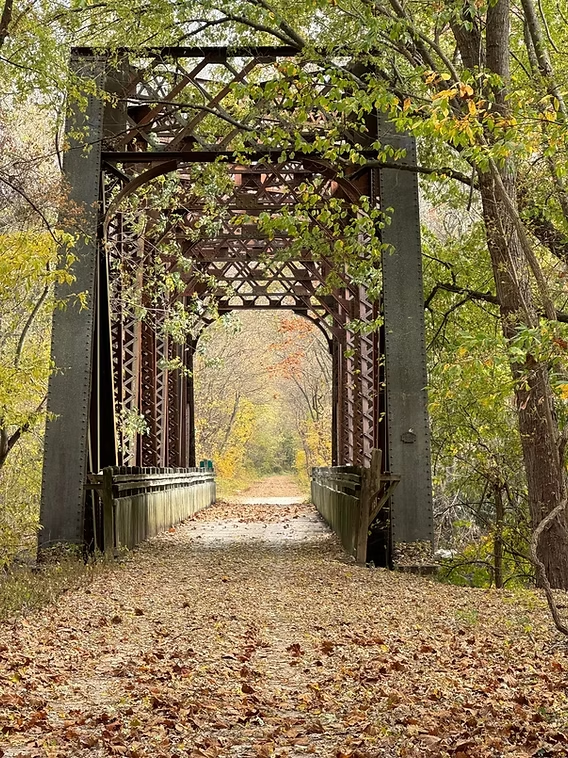
- Railroad bridges
- Tunnel structures
- Freight depots
- Canal locks
- Historic town centers
Interpretive signage and local museums often help explain these features, ensuring that regional stories remain accessible to future generations.
In this way, country trails function as open-air museums, blending natural beauty with historical preservation.
Frequently Asked Questions
What defines a country trail?
A country trail typically runs through rural landscapes and often follows historic transportation routes such as rail lines, canals, or wagon roads.
Are country trails suitable for beginners?
Many country trails are accessible for beginners because rail-trails often have gentle grades and well-maintained surfaces.
How long are typical country trails?
Trail lengths vary widely. Some are a few miles long, while others—like the Katy Trail—extend for more than 200 miles.
Are country trails safe for families?
Most are family-friendly, especially well-maintained rail-trails with clear signage and gradual terrain.
Do country trails allow bicycles?
Many do. Rail-trails in particular are popular for both cycling and walking.
When is the best time to visit country trails?
Spring and fall are often ideal due to moderate temperatures and scenic landscapes.
Are pets allowed on country trails?
Many trails allow dogs on leashes, though rules vary by location.
Do country trails have historical markers?
Yes. Many trails include interpretive signs explaining local history, transportation routes, and regional culture.
Are country trails part of national park systems?
Some connect to national or state parks, but many are managed by local or state governments.
How can I find country trails near me?
Resources such as the Rails-to-Trails Conservancy TrailLink website and state park agencies provide searchable trail databases.
Walking Through America’s Living Landscape
Country trails offer a meaningful way to experience the United States beyond major tourist destinations. By following historic routes through rural landscapes, visitors can connect with local stories, natural ecosystems, and the communities that shaped them.
These paths reveal how transportation, agriculture, and geography intersected to form the American countryside. Whether traveling through Appalachian valleys, Midwestern farmland, or Southern forests, country trails provide a deeper understanding of the places they pass through.
For many travelers, the most memorable moments occur not at scenic overlooks but in the quiet spaces between—where a historic bridge, an old depot, or a small-town café reveals the enduring connection between land and community.
Key Insights From America’s Country Trails
- Country trails often follow historic transportation routes
- Many are converted railroad corridors known as rail-trails
- These trails combine outdoor recreation with regional history
- Rural landscapes offer unique wildlife and scenic diversity
- Trail tourism supports small-town economies
- Historic structures and landmarks are frequently preserved
- Many trails are beginner-friendly and family accessible