Summary
Country trails reveal a side of America’s landscapes that highways and cities rarely show. From quiet farmland paths to forest routes and desert backroads, these trails allow travelers to experience regional ecology, local culture, and changing terrain at a slower pace. Exploring them offers deeper environmental understanding, authentic encounters with rural America, and a more meaningful way to see the country.
Seeing America Beyond the Highway
For many travelers, America’s landscapes are experienced from behind a windshield. Interstates, scenic byways, and national park roads provide sweeping views—but they also compress geography into fast-moving snapshots. Country trails offer a fundamentally different way to experience the land.
Across the United States, thousands of miles of rural trails wind through farmland, forests, deserts, river valleys, and mountain foothills. These routes—often used for hiking, horseback riding, biking, or quiet exploration—slow travel down to a human pace. Instead of simply passing through landscapes, visitors move within them.
This slower approach reveals details that roads conceal: the smell of sagebrush in high desert air, the pattern of farmland irrigation, the quiet rhythm of wildlife at dawn, or the gradual shift from prairie grassland to wooded hills. For Americans seeking a deeper connection to place, country trails provide an immersive perspective on the nation’s geography.
According to the U.S. National Park Service, Americans take more than 300 million hiking visits each year, reflecting a growing interest in outdoor exploration that goes beyond traditional sightseeing.
What Makes Country Trails Different From Scenic Roads
Scenic highways show landscapes from a distance. Country trails bring you inside them.
When walking or biking rural trails, the environment becomes interactive. Sounds carry farther. Seasonal changes become obvious. Even subtle shifts in terrain are noticeable.
Several characteristics make country trails uniquely revealing:
- Slower travel speed, which encourages observation and reflection
- Closer contact with ecosystems, including plants, soils, and wildlife
- Access to quieter rural areas often bypassed by major tourism routes
- Greater visibility of local land use, including agriculture and conservation practices
This intimacy with the landscape changes how people understand geography. For example, a traveler driving across Kansas might see miles of farmland. Walking a prairie trail reveals variations in grass species, pollinator habitats, and subtle elevation changes that shape agricultural patterns.
The difference is similar to watching a film versus stepping into the set.
Trails as Windows Into Regional Ecosystems
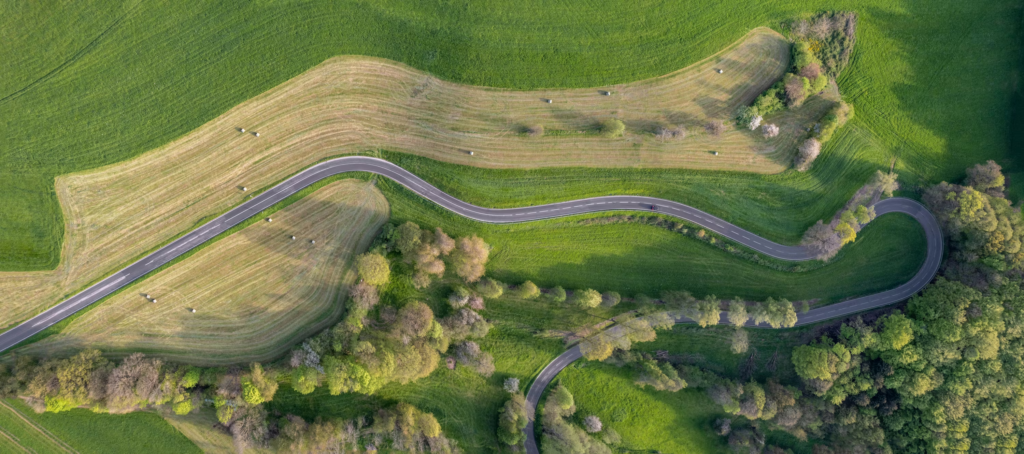
America’s landscapes are incredibly diverse, and country trails highlight how dramatically ecosystems change across regions.
Because trails often follow historic routes—old rail lines, ranch paths, river corridors, or indigenous travel routes—they frequently pass through ecologically important areas.
Forest Trails in the Appalachian Region
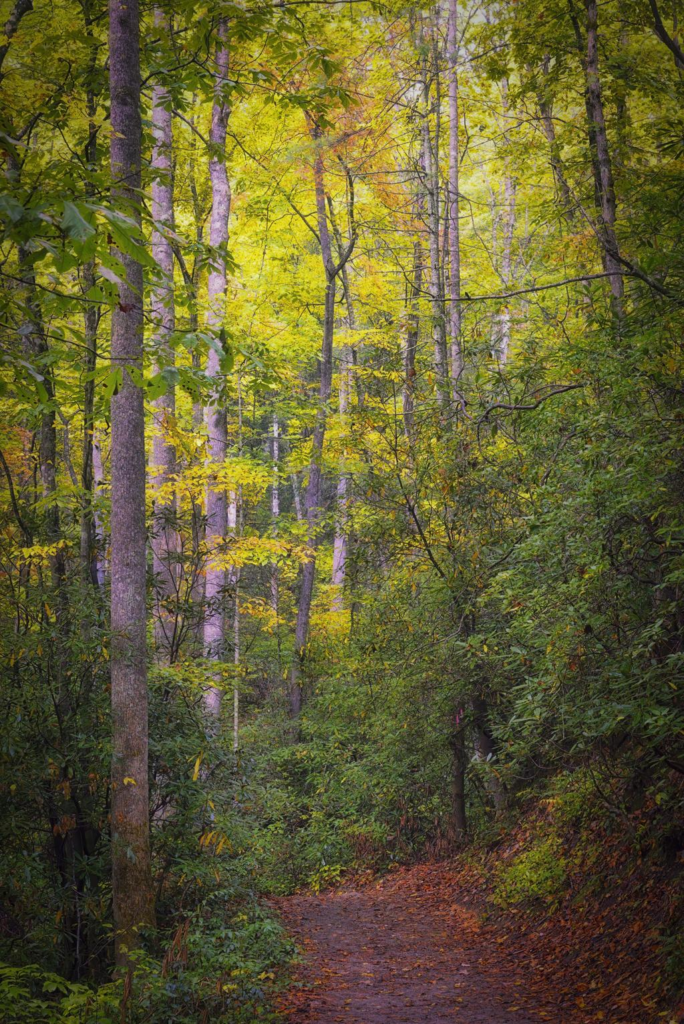
In the eastern United States, many country trails weave through hardwood forests, creek valleys, and rolling hills. Here, travelers experience dense biodiversity. Seasonal leaf changes, migratory birds, and understory plants create an ever-changing environment.
Walking these trails often reveals how forest ecosystems function:
- Decaying logs nurturing fungi and insects
- Small streams shaping valley erosion
- Mixed tree species competing for sunlight
The slower pace allows visitors to recognize patterns that are invisible from the road.
Prairie and Grassland Trails of the Midwest
The American prairie once covered nearly 170 million acres, according to the U.S. Fish and Wildlife Service, though much of it has been converted to agriculture.
Country trails through preserved prairie areas reveal:
- Tallgrass ecosystems reaching six feet high
- Native pollinators such as monarch butterflies and bumblebees
- The subtle role of fire in maintaining prairie health
These landscapes appear simple at first glance but become incredibly complex when explored up close.
Desert Trails of the Southwest
Desert environments reward slow exploration. Trails through Arizona, New Mexico, and parts of Nevada demonstrate how life adapts to extreme conditions.
Travelers often notice:
- Cacti storing water through thick stems
- Wildlife active primarily during cooler hours
- Soil crusts that stabilize desert ecosystems
These fragile landscapes are better understood when experienced quietly and carefully.
Cultural Landscapes Along Rural Trails
Country trails do more than showcase nature—they also reveal how Americans have shaped and used the land.
Unlike national park viewpoints designed primarily for scenery, rural trails often intersect with working landscapes.
Travelers might encounter:
- Family farms and ranchlands
- Historic barns and rural architecture
- Small towns connected by old rail corridors
- Community-managed conservation areas
These features help visitors understand how landscapes evolve through human activity.
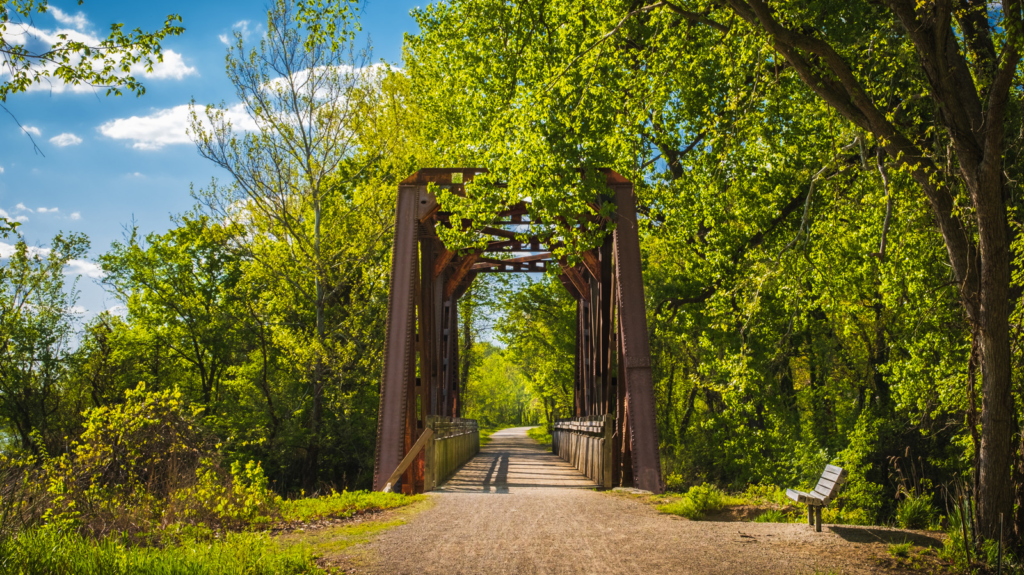
For example, rail-to-trail conversions across the United States have turned abandoned railway lines into recreational routes. According to Rails-to-Trails Conservancy, the country now has over 25,000 miles of rail-trails, linking communities while preserving historic infrastructure.
Walking these trails often passes through farmland, rural towns, and river corridors—offering a living timeline of regional development.
The Role of Trails in Conservation Awareness
One of the most valuable aspects of country trails is how they foster environmental awareness.
When people physically move through landscapes, they become more aware of ecological processes and conservation challenges.
Many trails include educational signage explaining:
- Wildlife migration routes
- Native plant restoration projects
- Watershed protection efforts
- Local conservation partnerships
These experiences help visitors understand that landscapes are dynamic systems, not static scenery.
For instance, trails in western states frequently highlight wildfire management practices, explaining how controlled burns help prevent catastrophic fires. Similarly, prairie trails often discuss the role of grazing animals in maintaining grassland ecosystems.
These lessons are far more impactful when experienced firsthand.
How Rural Trails Encourage Mindful Travel
Travel trends in the United States are shifting toward slower, more intentional exploration.
According to a 2023 Outdoor Industry Association report, more than 168 million Americans participate in outdoor recreation annually, with hiking among the most popular activities.
Country trails support this trend by encouraging a form of travel that values observation over speed.
Benefits of trail-based exploration include:
- Reduced environmental impact compared to vehicle-based tourism
- Greater opportunities for wildlife observation
- Improved physical and mental health
- Stronger connection to regional identity and heritage
For many travelers, walking a trail becomes less about reaching a destination and more about experiencing the journey itself.
Practical Tips for Exploring Country Trails
While rural trails offer incredible experiences, preparation makes the journey safer and more rewarding.
Travelers planning to explore country trails should consider the following:
- Research trail conditions before visiting, especially in remote areas
- Carry sufficient water, particularly in dry or high-temperature environments
- Wear appropriate footwear for uneven terrain
- Respect private land boundaries where trails pass near farms or ranches
- Follow Leave No Trace principles to protect fragile ecosystems
It’s also helpful to check whether trails allow bicycles, horses, or pets, as rules vary widely depending on location and conservation priorities.
Why Country Trails Matter in Modern America
In an increasingly urbanized society, country trails provide rare opportunities to reconnect with land, history, and ecology.
They reveal landscapes not as distant scenery but as living environments shaped by climate, wildlife, agriculture, and communities.
Exploring these routes encourages curiosity about regional differences—from Appalachian forests to Midwestern prairies to Southwestern deserts.
More importantly, they remind travelers that America’s landscapes are best understood not just by viewing them, but by moving through them.
Country trails transform geography into experience.
FAQ: Country Trails and Rural Landscape Exploration
1. What are country trails?
Country trails are rural pathways used for hiking, biking, horseback riding, or walking that pass through natural landscapes, farmland, forests, or small communities.
2. How are country trails different from hiking trails in national parks?
While national park trails focus on protected wilderness areas, country trails often pass through mixed landscapes that include farms, rural towns, and conservation areas.
3. Are country trails safe for beginners?
Many country trails are beginner-friendly, particularly rail-trail conversions with gentle grades and clear paths.
4. What should I bring when exploring rural trails?
Essentials include water, navigation tools, weather-appropriate clothing, snacks, and comfortable footwear.
5. Do country trails cross private property?
Some trails pass near or through private land with public access agreements. Visitors should respect signage and stay on designated routes.
6. When is the best time to explore country trails?
Spring and fall are often ideal because temperatures are moderate and landscapes are visually dynamic.
7. Can you bike on country trails?
Many rural trails allow bicycles, particularly rail-trail routes designed for multi-use recreation.
8. Are pets allowed on country trails?
Rules vary by location. Many trails allow dogs on leashes, but wildlife areas may restrict pets.
9. How do trails support conservation?
Trails raise awareness of ecosystems and often support conservation projects through tourism and local partnerships.
10. Where can I find country trails near me?
Resources like state park websites, local tourism boards, and trail organizations provide detailed trail maps and guides.
Why Walking the Land Changes How We See It
Experiencing landscapes on foot changes perspective in ways that maps and highways cannot. Country trails allow travelers to notice patterns of soil, vegetation, wildlife, and human activity that shape the American environment.
These quiet routes encourage curiosity, patience, and a deeper appreciation of the land’s complexity—qualities increasingly rare in fast-paced travel.
By slowing down and following rural paths, visitors discover not only scenic views but also the layered stories embedded within America’s landscapes.
Key Insights From America’s Country Trails
- Country trails reveal landscapes at a slower, more immersive pace
- Rural paths often highlight ecological diversity across regions
- Trails frequently intersect with working agricultural landscapes
- Rail-trail conversions preserve historical transportation routes
- Outdoor recreation participation continues to grow in the U.S.
- Trail exploration encourages conservation awareness
- Slow travel improves observation and environmental understanding