Summary
Country trails offer a quieter, more deliberate way to explore the outdoors compared with crowded parks and fast-paced travel. Winding through farmland, forests, and rural communities, these paths invite walkers and hikers to slow down, observe local landscapes, and reconnect with nature. This guide explores why country trails remain popular, how to experience them safely, and what makes them meaningful across the United States.
Why Country Trails Continue to Draw People In
Across the United States, outdoor recreation has grown steadily over the past decade. According to the Outdoor Industry Association, more than 168 million Americans participated in outdoor recreation in 2023, with walking, hiking, and trail use among the most common activities. While national parks and major hiking routes often capture attention, many Americans are rediscovering something quieter: country trails.
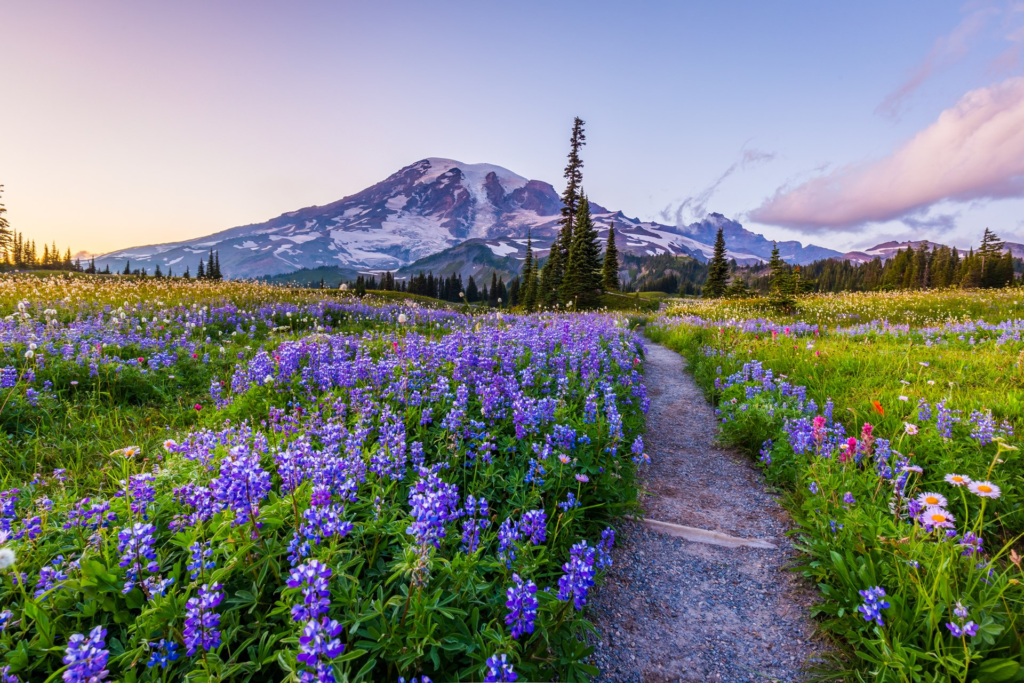
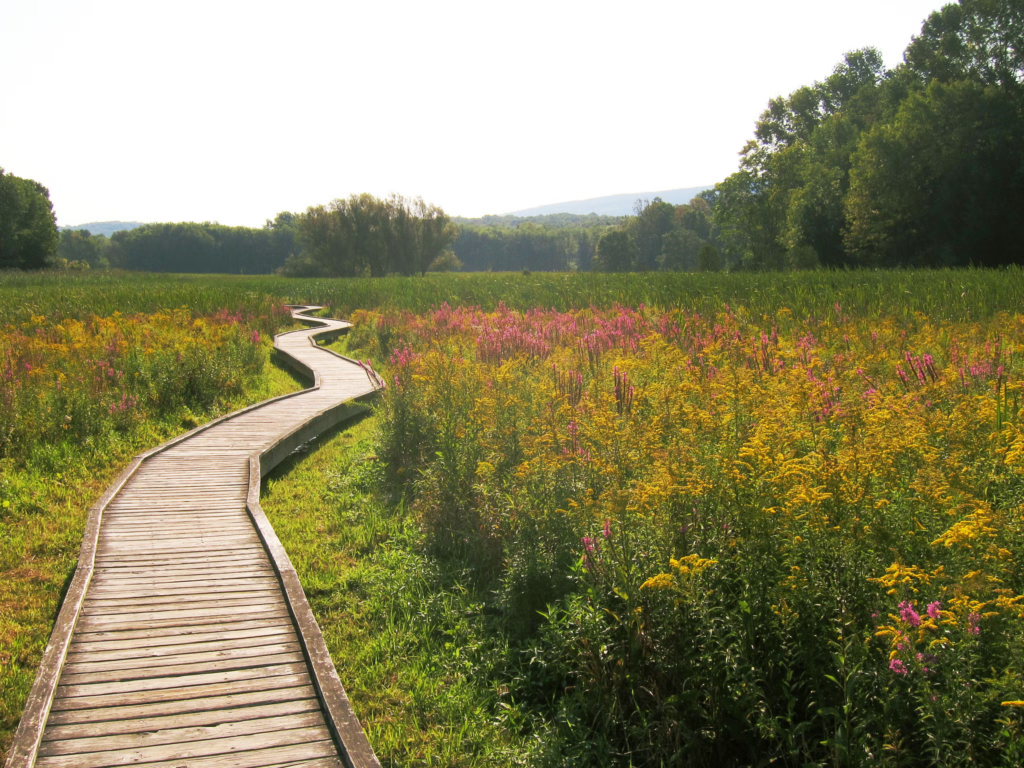
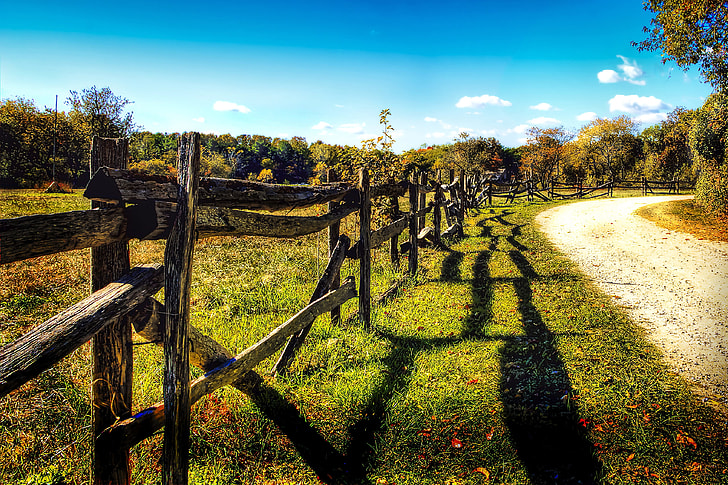
Country trails are typically smaller paths that pass through rural landscapes—along rivers, across farmland edges, through wooded hills, or connecting small towns. Unlike heavily trafficked park trails, they tend to offer a slower rhythm and a stronger sense of place.
For many walkers, that slower pace is the main attraction. Country trails allow people to notice details often missed during faster hikes or crowded sightseeing trips: birds moving through hedgerows, farm equipment in distant fields, or the subtle change in vegetation between valleys and ridgelines.
In an era where daily life often moves quickly, these trails provide an accessible way to step away from noise and rediscover the simple experience of walking through a landscape.
What Exactly Counts as a “Country Trail”?
The term “country trail” doesn’t have a strict technical definition, but it generally refers to walking or hiking routes located in rural or semi-rural environments rather than urban parks or wilderness backcountry.
These trails often include:
- Farm access roads converted to walking paths
- Historic footpaths between rural communities
- Forest service trails in lightly visited areas
- Rail-to-trail conversions through countryside regions
- Multi-use greenways connecting small towns
Many are maintained by local land trusts, county parks departments, or volunteer trail associations. Others exist as informal paths used by generations of local residents.
What distinguishes country trails from larger recreational corridors is their scale. They tend to be quieter, less commercialized, and integrated into everyday rural landscapes.
Why a Slower Outdoor Experience Matters
Modern travel and recreation often emphasize efficiency—covering as much distance as possible in limited time. Country trails encourage the opposite.
Walking slowly through a rural setting changes how people experience the outdoors. Instead of focusing on reaching a destination, the experience becomes about observation and presence.
Research from Stanford University’s environmental psychology studies suggests that time spent walking in natural settings can improve mood, reduce mental fatigue, and support cognitive restoration. Slower, immersive outdoor experiences—such as strolling rural paths—are particularly effective because they allow the mind to disengage from constant stimuli.
Country trails naturally support this kind of experience. With fewer crowds and distractions, walkers often settle into a comfortable rhythm that makes it easier to appreciate the environment around them.
Landscapes That Tell Regional Stories
One reason country trails resonate with travelers is that they reveal the character of different regions of the United States.
A trail in Vermont might wind past maple groves and stone walls built centuries ago. In Iowa, a countryside path may follow former rail corridors across prairie farmland. In California’s Central Valley, rural trails often run beside irrigation canals or orchards.
Each landscape reflects a local history shaped by agriculture, settlement patterns, and geography.
Some of the most memorable country trail experiences occur when walkers notice these connections between land and culture:
- Old barns and grain silos that mark agricultural traditions
- Historic bridges or rail structures along converted trails
- Native plant species unique to regional ecosystems
- Rural churches, small cemeteries, or historic homesteads
These details transform a simple walk into a kind of informal exploration of American landscapes.
Popular Types of Country Trails in the United States
Country trails vary widely, but several formats appear frequently across rural regions.
Rail-to-Trail Paths
Converted railway corridors now form thousands of miles of countryside walking routes. The Rails-to-Trails Conservancy reports more than 25,000 miles of rail-trails nationwide, many passing through farmland, small towns, and river valleys.
Farm and Agricultural Paths
In agricultural regions, public footpaths sometimes run along field edges or irrigation canals. These paths allow walkers to experience working landscapes without interfering with farming operations.
Forest Service Backroads
Some lightly maintained forest service roads function as informal trails, particularly in national forests. They provide accessible entry points into wooded terrain without requiring technical hiking skills.
Community Greenways
Rural counties increasingly invest in greenway systems connecting villages and open spaces. These paths often follow rivers, wetlands, or protected land corridors.

Practical Tips for Enjoying Country Trails
Country trails can feel relaxed and accessible, but a bit of preparation helps ensure a comfortable experience.
Before heading out, consider the following:
- Check local maps or trail websites for route conditions
- Bring water and basic snacks, even on short walks
- Wear comfortable walking shoes suitable for uneven ground
- Respect private property boundaries when trails pass near farms
- Be aware of seasonal conditions such as mud or tall grass
- Carry insect repellent in warmer months
- Let someone know your plan if walking in remote areas
Many country trails lack extensive signage or facilities. That simplicity is part of their appeal, but it also means visitors benefit from planning ahead.
How Country Trails Support Rural Communities
Country trails often contribute to local economies in subtle but meaningful ways. Small towns connected by walking routes frequently see increased visitation from regional travelers and outdoor enthusiasts.
Trail users may stop for:
- Coffee shops or local bakeries
- Small museums or historic sites
- Farmers markets and roadside produce stands
- Local lodging or bed-and-breakfast accommodations
Studies by the Rails-to-Trails Conservancy show that well-maintained trail systems can generate millions of dollars in annual economic impact for surrounding communities.
Because country trails typically require modest infrastructure, they provide a cost-effective way for rural regions to attract visitors while preserving the character of their landscapes.
Seasonal Experiences on Country Trails
One of the quiet advantages of country trails is how they change throughout the year. Unlike heavily trafficked destinations that feel similar in every season, rural paths reveal distinct patterns across spring, summer, fall, and winter.
Spring
Wildflowers begin to emerge along field edges and woodland clearings. Migratory birds return, making trails appealing for casual birdwatchers.
Summer
Long daylight hours create ideal conditions for early-morning or evening walks when temperatures are cooler.
Autumn
Many rural trails pass through hardwood forests or farmland bordered by maples and oaks, producing vibrant fall foliage.
Winter
In northern regions, country trails often become quiet corridors for snowshoeing or cross-country skiing.
Seasonal variety keeps these routes interesting for people who visit repeatedly.
How to Find Country Trails Near You
Despite their appeal, country trails are sometimes less visible than major hiking destinations. Fortunately, several tools make them easier to discover.
Helpful resources include:
- County parks and recreation department websites
- Local land trust organizations
- State trail directories
- The Rails-to-Trails Conservancy trail database
- Regional hiking clubs and outdoor groups
Online mapping platforms and GPS apps also increasingly include smaller rural trails, making it easier for walkers to explore unfamiliar areas.
Many communities also publish printed trail guides available at visitor centers or libraries.
Frequently Asked Questions
Are country trails suitable for beginners?
Yes. Many country trails follow gentle terrain such as former rail corridors or farm roads, making them accessible to beginners and casual walkers.
Do country trails allow dogs?
Policies vary. Many rural trails allow leashed dogs, but visitors should check local rules and be mindful of nearby livestock.
Are country trails safe to walk alone?
Most are considered safe, especially during daylight hours. As with any outdoor activity, it helps to inform someone of your route and carry a phone.
How long are typical country trails?
They range widely. Some are short community loops of one to two miles, while others extend for dozens of miles along converted railways.
Are bikes allowed on country trails?
Many multi-use trails allow bicycles. However, some narrow or natural paths are restricted to walking or hiking.
Do country trails require entrance fees?
Most are free. Some trails located in state parks or managed recreation areas may require parking permits.
What should I wear for a country trail walk?
Comfortable walking shoes, weather-appropriate clothing, and sun protection are usually sufficient.
Are country trails accessible for strollers?
Rail-trails and crushed-gravel paths are often stroller-friendly, though more natural trails may be uneven.
How can I help maintain country trails?
Volunteering with local trail organizations, respecting posted rules, and practicing Leave No Trace principles all support trail preservation.
Walking at the Pace the Landscape Was Meant For
Country trails offer something increasingly rare in modern travel: time to move slowly through a place. Without crowds or tight itineraries, walkers can experience landscapes the way earlier generations did—step by step, noticing the terrain, weather, and quiet rhythms of rural life.
For many people, that slower pace becomes the most memorable part of the journey. A trail through farmland at sunset, a quiet woodland path after rain, or a simple walk between two small towns can provide a deeper connection to the outdoors than more ambitious adventures.
Country trails remind us that exploring nature does not always require dramatic scenery or challenging climbs. Sometimes the most meaningful outdoor experiences happen along modest paths that invite us to slow down and look closely.
Key Insights From America’s Country Trails
- Country trails provide a quieter alternative to crowded outdoor destinations
- Rural paths reveal regional landscapes shaped by agriculture and local history
- Walking at a slower pace supports mental restoration and observation
- Rail-to-trail conversions have created thousands of miles of countryside routes
- Local communities often benefit economically from trail visitation
- Seasonal changes make these trails appealing year-round
- Many country trails are accessible to beginners and casual walkers