Summary
Across the United States, rural walking trails are quietly gaining popularity among younger generations seeking nature, solitude, and affordable outdoor recreation. From farm roads to historic footpaths, these routes offer physical health benefits, mental clarity, and community connections without the crowds of national parks. As interest grows, rural trails are becoming a meaningful part of America’s modern walking culture.
Why Rural Trails Are Experiencing a Quiet Revival
For decades, hiking culture in the United States focused heavily on famous destinations: national parks, iconic summits, and well-known wilderness routes. But a quieter movement has been unfolding across rural America. Young walkers—particularly millennials and Gen Z—are rediscovering country trails, farm paths, and small-town walking routes that were once overlooked.
Unlike heavily trafficked national park trails, rural paths offer something increasingly rare: space, silence, and a slower pace.
According to the Outdoor Industry Association, more than 57 million Americans participated in hiking activities in 2023, and participation among younger adults has grown steadily since the pandemic era. A significant portion of that growth is happening on local and rural trails rather than major destinations.
Several factors are driving this shift.
First, accessibility matters. Many rural paths are close to small towns and suburban edges, meaning walkers can enjoy a nature experience without planning a full-day excursion.
Second, social media has subtly reshaped outdoor exploration. Instead of chasing the same crowded viewpoints, many younger walkers are now searching for quieter landscapes—fields, forests, riverbanks, and historic farm roads.
Finally, rural trails offer something urban life often lacks: genuine quiet.
What Makes Country Trails Different from Traditional Hiking Routes
Most Americans associate hiking with mountains or rugged wilderness. Country trails, however, occupy a different category of outdoor experience.
These paths often wind through agricultural landscapes, rolling hills, and small wooded areas. They may follow old railroad corridors, irrigation canals, or historic trading routes that predate modern highways.
The atmosphere tends to be slower and more contemplative.
Walkers often encounter:
- Working farms and open pastureland
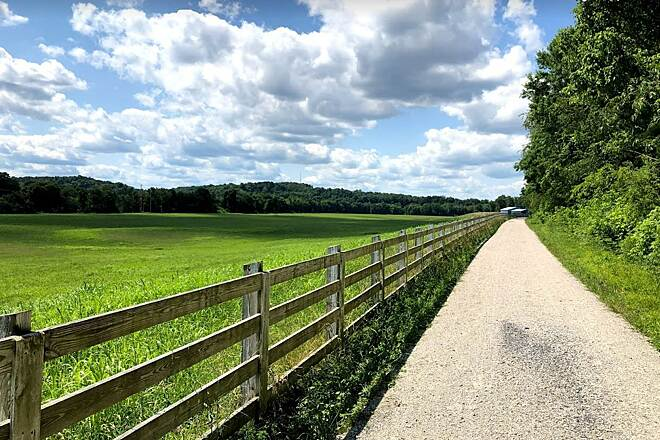
- Gravel or dirt roads used by local residents
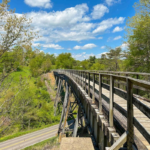
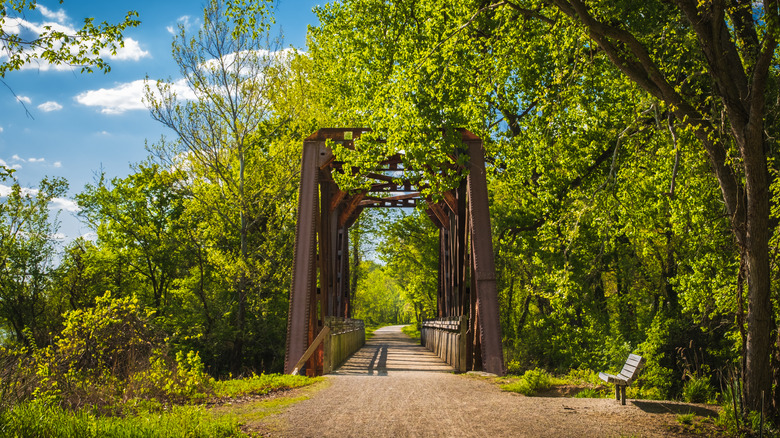
- Small bridges over creeks and streams
- Historic markers or preserved structures
- Wildlife such as deer, hawks, and foxes
Rather than intense elevation changes or technical terrain, the focus is on steady, immersive walking.
For many new walkers, this style of trail feels more welcoming than traditional backcountry hikes.
The Mental Health Benefits of Walking Quiet Landscapes
One of the strongest motivations behind the rural walking trend is mental well-being.
Researchers have consistently found that time spent in natural environments can reduce stress and improve mood. A study published in Proceedings of the National Academy of Sciences found that participants who walked in natural environments reported lower levels of rumination, a key indicator of anxiety and depression.
Country trails amplify those benefits because they remove common stress triggers found in busy parks or urban greenways.
Walkers often report experiencing:
- Lower noise levels compared to city trails
- Fewer crowds and distractions
- More opportunities for uninterrupted thinking
- A stronger sense of connection to the landscape
Many rural walkers describe the experience as “resetting their attention.” Without constant digital interruptions or crowds, the mind settles into a natural rhythm.
For remote workers and people who spend most of their day on screens, this quiet environment can feel restorative.
Why Younger Generations Are Choosing Walking Over Traditional Hiking
Younger outdoor enthusiasts are redefining what recreation looks like. Instead of chasing adrenaline-heavy activities, many are prioritizing accessible, repeatable outdoor habits.
Walking fits that model perfectly.
Unlike intense hikes or climbing trips, rural walking requires minimal gear, little preparation, and can easily fit into a regular routine.
Several lifestyle trends are fueling this shift:
- Remote work flexibility allowing weekday outdoor breaks
- Lower-cost recreation compared with travel-heavy adventures
- Interest in slower outdoor experiences such as birdwatching and nature photography
- Health awareness around daily movement and step counts
For people who live near agricultural regions or smaller towns, rural paths provide an easy way to build a consistent outdoor habit.
A 3-mile country walk before dinner or during a lunch break can deliver meaningful health benefits without the logistical effort of a full hiking trip.
The Role of Rural Trails in Local Communities
Beyond personal wellness, country trails often play an important role in rural economies and community life.
Many small towns have started revitalizing historic walking routes as a way to attract visitors without large infrastructure projects.
Examples include:
- Rail-to-trail conversions transforming old railways into walking paths
- Scenic agricultural loops connecting farms, vineyards, and orchards
- Heritage trails highlighting historic buildings and landmarks
- Wildlife corridors developed along rivers or wetlands
These trails bring low-impact tourism into communities while preserving local landscapes.
Walkers often stop at small cafes, bakeries, or general stores after completing a route, which helps support local businesses.
In several states, rural trail networks have become regional attractions. Long-distance paths like the Great Allegheny Passage and the Katy Trail demonstrate how rural corridors can attract thousands of visitors annually while maintaining a relaxed, scenic character.
What to Expect When Walking a Rural Trail
People new to rural walking often wonder how it differs from city parks or major hiking routes.
The experience is typically quieter, less structured, and more connected to everyday landscapes.
You might encounter:
- Tractor traffic on farm roads
- Livestock fencing or gates
- Unpaved surfaces like gravel or packed dirt
- Limited signage compared to national parks
- Seasonal changes in accessibility due to farming activity
These characteristics are part of the charm but also require a bit of awareness.
Walkers should remain respectful of private land, follow posted signage, and leave gates as they found them.
Many rural communities rely on informal agreements that allow public walking access, so responsible behavior helps preserve these routes.
Practical Tips for First-Time Rural Trail Walkers
Getting started on country trails is straightforward, but a few simple habits can make the experience safer and more enjoyable.
Before heading out:
- Check local trail maps or community tourism sites
- Confirm whether paths cross private farmland
- Bring water, even for short walks
- Wear shoes suitable for gravel or uneven ground
- Download offline maps if cellular coverage is limited
While walking:
- Yield to farm vehicles or horseback riders
- Stay on marked paths when possible
- Respect livestock and wildlife
- Pack out any trash
After the walk:
- Support local businesses when possible
- Share trail information responsibly to avoid overcrowding
These small actions help ensure rural paths remain welcoming for future walkers.
The Slow Travel Movement and the Rise of Walking Tourism
The popularity of country trails is also connected to a broader trend known as slow travel.
Instead of rushing through destinations, travelers are increasingly seeking experiences that encourage immersion in local environments.
Walking naturally supports this approach.
When exploring rural landscapes on foot, visitors notice details that would otherwise pass unnoticed:
- The smell of hay fields after rain
- The sound of wind moving through tall grasses
- Small roadside farm stands
- Historic barns and old stone fences
Walking also allows travelers to interact more naturally with local residents, farmers, and small business owners.
Across parts of Europe, rural walking tourism has been popular for decades. The United States is now beginning to develop similar traditions as trail networks expand.
State tourism boards and conservation groups are actively investing in rural trail infrastructure to meet this growing interest.
Why Rural Trails May Become the Future of Everyday Outdoor Recreation
America’s most famous outdoor destinations will always attract visitors. But the growing interest in country trails suggests something deeper is happening in outdoor culture.
People are rediscovering that meaningful outdoor experiences don’t require dramatic scenery or extreme challenges.
Sometimes, a quiet gravel path through open countryside is enough.
As urban populations grow and digital lifestyles intensify, the simple act of walking through rural landscapes may become one of the most accessible ways Americans reconnect with nature.
For many, the appeal isn’t dramatic adventure—it’s quiet consistency.
Common Questions About Walking Rural Trails
Are rural trails safe for solo walkers?
Yes, most rural trails are safe, especially during daylight hours. As with any outdoor activity, it’s wise to tell someone your route, carry a phone, and remain aware of surroundings.
Do rural trails require special hiking gear?
Not usually. Comfortable walking shoes, weather-appropriate clothing, and water are typically sufficient.
How long are most country walking routes?
Many rural trails range from 2 to 10 miles, though some rail-trail networks extend much longer.
Are dogs allowed on rural trails?
Often yes, but they should remain on leash, especially near livestock or wildlife habitats.
Where can I find rural trails near me?
State park websites, county tourism offices, and local trail organizations are good starting points.
Do rural trails have restrooms or facilities?
Many do not. Plan ahead and bring essentials.
Are rural trails accessible year-round?
Accessibility depends on climate and farming schedules. Mud or snow can affect trail conditions seasonally.
Can beginners handle rural trails easily?
Yes. Most country paths are relatively flat and suitable for beginners.
Is rural walking good exercise?
Absolutely. Regular walking improves cardiovascular health, joint mobility, and mental well-being.
How can walkers help protect rural trails?
Follow Leave No Trace principles, respect private land, and support community conservation efforts.
The Enduring Value of Quiet Paths
Rural trails offer a reminder that meaningful outdoor experiences don’t need crowds, expensive gear, or dramatic landscapes.
Sometimes the most restorative journeys happen on simple paths that wind through fields, forests, and small towns.
As more Americans rediscover these routes, country trails may quietly become one of the most important—and accessible—forms of outdoor recreation in the modern era.
Key Insights at a Glance
- Rural walking trails are gaining popularity among younger generations.
- Quiet landscapes offer significant mental health benefits.
- Country trails provide accessible outdoor experiences with minimal equipment.
- Rural communities benefit from low-impact walking tourism.
- Walking aligns with the growing slow-travel movement.