

Summary
Across the United States, country trails are attracting renewed attention as Americans look for quieter, more meaningful outdoor experiences. These rural paths offer scenic landscapes, local history, and accessible recreation without the crowds found in major parks. From rail-to-trail conversions to historic footpaths, country trails provide practical, affordable ways to explore nature while supporting small communities.
A Growing Shift Toward Simpler Outdoor Experiences
In recent years, many Americans have begun seeking outdoor experiences that feel less crowded and more connected to local landscapes. While national parks remain popular, quieter alternatives—especially country trails across rural areas and small towns—are steadily gaining attention.
Several factors are driving this shift. The pandemic encouraged millions of Americans to explore nearby outdoor spaces. According to the Outdoor Industry Association, more than 168 million Americans participated in outdoor recreation in 2022, the highest number recorded.
While iconic destinations like Yellowstone National Park or Yosemite National Park still draw millions of visitors each year, many travelers are discovering that rural walking trails, converted rail corridors, and scenic countryside paths offer a quieter alternative.
Country trails provide something increasingly rare in modern travel: space, pace, and authenticity.
What Exactly Are Country Trails?
Country trails generally refer to walking, hiking, or cycling routes that pass through rural landscapes, farmland, forests, and small communities. Unlike high-traffic recreation areas, these trails often follow historic routes, agricultural roads, or former railroad lines.
Many are maintained by local governments, volunteer organizations, or land trusts.
Some well-known examples include:
- The Katy Trail State Park, a 240-mile trail following the Missouri River.
- The Great Allegheny Passage, connecting Pittsburgh to Cumberland through scenic countryside.
- The High Line Canal Trail, which stretches across plains, farms, and suburban edges.
Many of these trails emerged from the rail-to-trail movement, led by groups such as the Rails-to-Trails Conservancy. Since the 1980s, the initiative has helped convert more than 24,000 miles of unused railway corridors into public trails across the United States.
These routes now connect rural towns, wildlife habitats, and historic landmarks.
Why Country Trails Are Attracting More Visitors
Several cultural and lifestyle trends explain why country trails are seeing renewed interest.
1. Americans Want Less Crowded Outdoor Spaces
Overcrowding in popular parks has become a well-documented issue. During peak seasons, some national parks have implemented vehicle reservations and timed entry systems.
Country trails offer an alternative. Visitors can often walk for miles without encountering large crowds.
The experience feels slower and more personal—closer to how Americans historically explored the countryside.
2. The Rise of “Slow Travel”
Travel trends increasingly favor slow travel, a philosophy that prioritizes immersion over rapid sightseeing.
Country trails naturally support this approach. A simple two-hour walk through farmland or woodland can reveal:
- Local wildlife
- Small historic towns
- Family farms and markets
- Regional ecosystems
Walking or cycling encourages travelers to notice details often missed by car travel.
3. Affordable Recreation Close to Home
Country trails also provide low-cost recreation.
Many Americans are discovering scenic trails within driving distance of their homes. Instead of planning expensive trips, families and individuals can enjoy regular outdoor excursions.
Typical advantages include:
- Free or low-cost access
- Minimal equipment required
- Flexible trip lengths
- Accessibility for different fitness levels
This makes country trails appealing for both casual walkers and experienced hikers.
The Scenic Value of Rural Landscapes
One of the defining features of country trails is the diversity of scenery they offer.
Unlike mountain trails that focus primarily on elevation, country trails pass through varied environments shaped by both nature and human history.
A single route may include:
- Rolling farmland
- Forest corridors
- River valleys
- Historic bridges
- Wildlife habitats
For example, the Katy Trail State Park follows the Missouri River through limestone bluffs, vineyards, and restored railroad towns.
Similarly, the Great Allegheny Passage passes through tunnels, rail bridges, and small Appalachian communities.
These landscapes provide a layered sense of place that blends natural beauty with regional history.
Health and Wellness Benefits
Walking country trails offers measurable physical and mental health benefits.
According to the Centers for Disease Control and Prevention, adults should aim for at least 150 minutes of moderate physical activity each week. Trail walking can easily contribute to this goal.
Research also shows that time in natural environments can reduce stress and improve mood.
Common benefits include:
- Improved cardiovascular health
- Lower stress levels
- Increased daily movement
- Better mental focus
Country trails provide an environment where these benefits occur naturally—without the structure of formal workouts.
Supporting Rural Communities
Another reason country trails matter is their economic impact on small towns.
Trail visitors often spend money locally on:
- Cafes
- Lodging
- Grocery stores
- Bike rentals
- Farm stands
For example, towns along the Great Allegheny Passage have developed thriving trail-based tourism economies.
The Rails-to-Trails Conservancy reports that trail tourism contributes hundreds of millions of dollars annually to rural communities.
These trails help preserve historic towns while encouraging sustainable tourism.
What Makes a Country Trail Worth Exploring?
Not all trails offer the same experience. Some features consistently make certain country trails especially memorable.
Key qualities include:
- Scenic variety – forests, rivers, farmland, and hills
- Historical context – old rail lines, canals, or pioneer routes
- Community connections – trails that pass through welcoming towns
- Accessibility – well-maintained surfaces and clear signage
Trails that combine these elements tend to attract both locals and travelers.
How to Find Country Trails Near You
Many Americans are surprised to discover how many rural trails exist within a short drive.
Several reliable resources can help locate them:
- Rails-to-Trails Conservancy trail maps
- AllTrails
- Local park district websites
- State recreation departments
Searching by region often reveals hidden routes that are rarely advertised.
Tips for First-Time Country Trail Explorers
Exploring rural trails is usually straightforward, but a few practical tips can improve the experience.
Preparation basics:
- Check trail conditions before visiting
- Bring water and basic navigation tools
- Wear comfortable walking shoes
- Respect private farmland boundaries
Trail etiquette matters too:
- Stay on marked paths
- Yield to cyclists when appropriate
- Leave natural areas undisturbed
These small steps help maintain trails for future visitors.

Frequently Asked Questions
Are country trails suitable for beginners?
Yes. Many rural trails follow former rail lines, making them relatively flat and accessible for beginners.
How long are most country trails?
They vary widely. Some are short 2–5 mile loops, while others extend for hundreds of miles across multiple states.
Do country trails require permits?
Most are free and open to the public, though certain state-managed trails may charge parking fees.
Are country trails safe for solo travelers?
Generally yes, especially during daylight hours. As with any outdoor activity, it’s wise to share your plans and carry a phone.
Can you bike on country trails?
Many are multi-use and allow cycling, though some trails are designated for hiking only.
What’s the best season for exploring country trails?
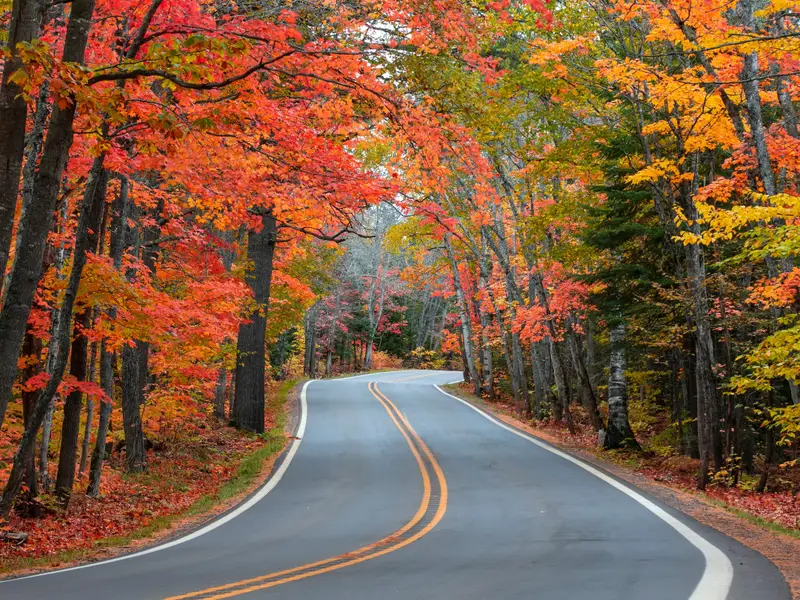
Spring and fall are particularly popular due to moderate temperatures and scenic foliage.
Are pets allowed on country trails?
Many trails allow dogs if they remain leashed. Local rules may vary.
Do country trails have facilities?
Some trails include restrooms and visitor centers, but rural routes often have limited amenities.
Are country trails accessible for families?
Yes. Many flat rail-to-trail routes are ideal for families with children.
How do trails benefit local environments?
Well-managed trails can protect green corridors and wildlife habitats while encouraging conservation awareness.
The Enduring Appeal of America’s Quiet Paths
Country trails represent a different kind of outdoor experience—one rooted in simplicity, accessibility, and connection to place.
They remind travelers that meaningful exploration doesn’t always require remote wilderness or famous landmarks. Sometimes, the most memorable journeys occur on quiet paths winding through farmland, forests, and small towns.
As more Americans seek authentic outdoor experiences, country trails are likely to remain an important part of the nation’s recreational landscape.
Key Points to Remember
- Country trails provide quieter alternatives to crowded national parks
- Many follow historic railroads and rural transportation routes
- They support both physical health and mental well-being
- Small towns benefit economically from trail tourism
- Numerous trails exist within short driving distance of major cities